 English



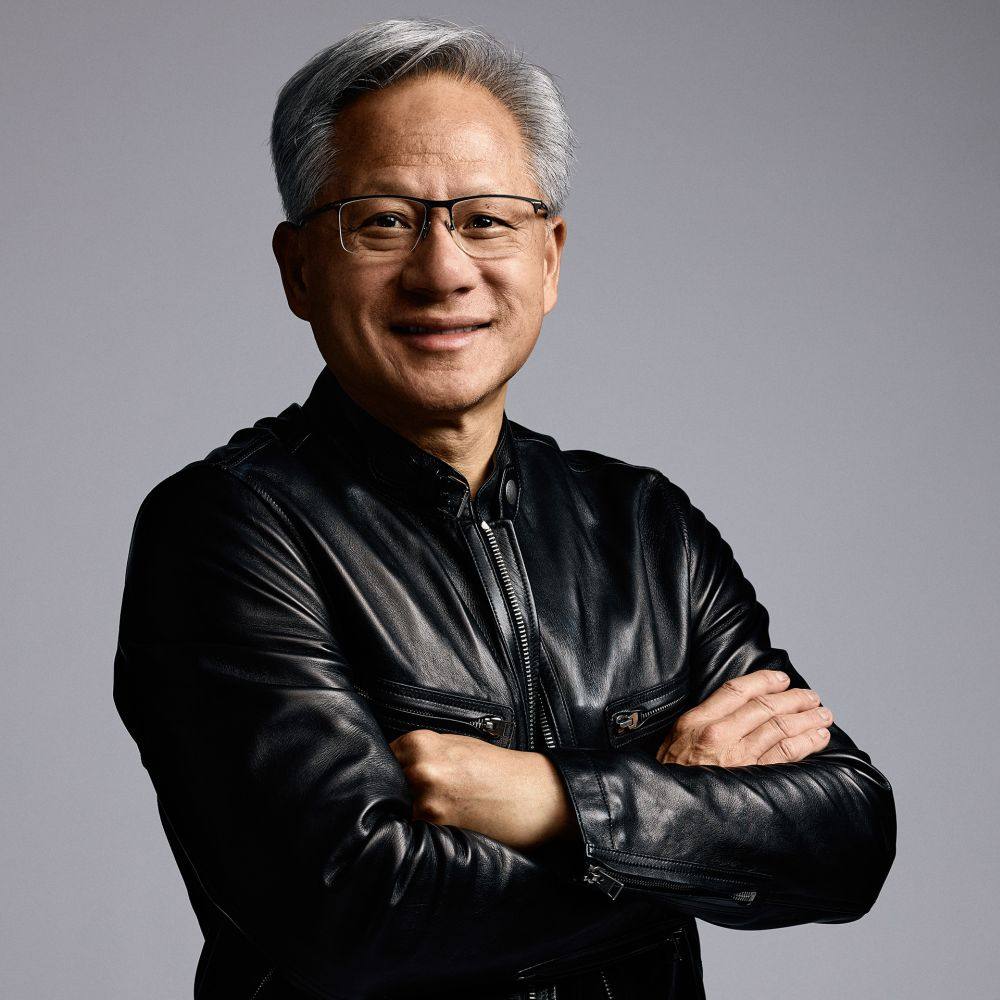
Chinese artificial intelligence companies are seeking to rent processing capacity based on Nvidia chips in data centers outside China, amid fears that the scandal involving the company's CEO, Jensen Huang, could prompt Washington to tighten restrictions on remote access to advanced processors, Reuters reports.
According to the cited source, these efforts reflect Chinese technology companies' concerns about the possibility of closing a loophole in the US export control system. To protect its dominant position in this strategic sector, the United States restricts exports to China of Nvidia's most powerful artificial intelligence chips. However, Chinese companies can still use these processors remotely by renting computing capacity provided by data centers located in other countries.
A major Chinese cloud services provider has internally examined the possibility of contracting Nvidia processing capacity abroad, while other companies have contacted data center operators to discuss reserving such resources, the cited sources said. They requested anonymity and declined to disclose the identity of the cloud services provider, citing the sensitive nature of the information.
Smaller artificial intelligence laboratories are considering similar measures, including contacting major providers of rented computing capacity in Southeast Asia, according to two of the sources.
The companies fear that the scandal involving Jensen Huang could accelerate the adoption of the US legislative proposal known as the Remote Access Security Act (RASA), which would grant the Department of Commerce powers to regulate remote access, through cloud services, to restricted technologies. The House of Representatives approved the bill in January, with 369 votes in favor and 22 against, and it is set to be considered by the Senate.
Advanced processors manufactured by Nvidia are used to train and operate large artificial intelligence models, which underpin chatbots and other generative artificial intelligence applications. Restricting access to cloud infrastructure abroad would considerably complicate Chinese developers' ability to benefit from high-performance computing power without directly importing the chips in question.
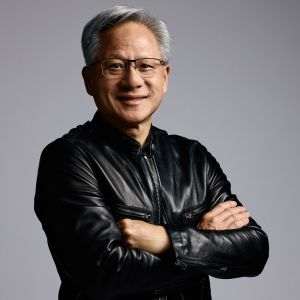
Jensen Huang admitted on Sunday that he had been unfaithful to his wife. According to The New York Times, the woman involved was allegedly Alice Huang, a former executive at Singapore-based cloud services company Megaspeed. The publication reported that US authorities had allegedly concluded that she was an agent of Chinese intelligence services.
Alice Huang allegedly had business and investment ties with several major Chinese technology companies, including Tencent and Alibaba, according to two people familiar with the situation. The two groups did not immediately respond to requests for comment, according to Reuters.
According to the cited source, a series of business documents from Singapore show that Apex Enterprise Solutions, an Alibaba subsidiary, provided financing to Malaysian company Speedmatrix, which is associated with Megaspeed.
Megaspeed had previously come under scrutiny from authorities amid suspicions that it had facilitated Chinese customers' access to advanced Nvidia chips subject to US export controls. The company denied having illegally redirected processors to China.
Nvidia, Megaspeed and the US Department of Commerce did not immediately respond to requests for comment.
• Demand for Nvidia chips on China's gray market is increasing
The prospect of intensified US controls has also stimulated demand for restricted Nvidia chips on China's gray market, prompting traders and intermediaries to begin building inventories of such processors, according to Reuters.
Buyers fear that the scandal could prompt US authorities to launch a broader crackdown on the illegal introduction into China of advanced chips and servers intended for artificial intelligence applications.
Vulnerabilities in the US export control system were also recently highlighted by the purchase of Nvidia H200 processors by a Chinese university with close ties to the People's Liberation Army, despite the institution being on the US export blacklist. The transaction, carried out last month, is confirmed by procurement documents and highlights the difficulties Washington faces in attempting to limit China's access to advanced technologies.
In March, US prosecutors charged Yih-Shyan "Wally" Liaw, co-founder of Super Micro Computer, and two other individuals over their alleged involvement in a conspiracy to redirect servers equipped with Nvidia processors to China through a company based in Southeast Asia.
According to prosecutors, the company in question purchased servers worth approximately $2.5 billion from Super Micro during 2024-2025, with a significant portion of the equipment subsequently redirected to China.
Nvidia's board of directors prepares to decide Jensen Huang's future at the company
Nvidia's board of directors is preparing to decide whether to remove Jensen Huang from his position as CEO following revelations concerning two extramarital affairs, one with a woman suspected of ties to Chinese intelligence services and the other with a company employee, the Wall Street Journal reports.
According to the cited source, board members are expected to meet as early as Wednesday to decide Huang's future. His potential departure would mark the end of a period during which Nvidia's CEO made a decisive contribution to the development of the global artificial intelligence industry and became an influential figure on the international geopolitical stage. At the same time, one of the world's most valuable companies would have to identify a new leader.
Nvidia's importance to the global technology industry has transformed Huang into an internationally recognized figure. He has frequently met with high-ranking officials from the United States and China, while his visits to Taiwan, his birthplace and one of the world's main semiconductor manufacturing hubs, have consistently attracted numerous admirers.
On Sunday, Huang admitted in a letter to employees that he had been unfaithful to his wife and apologized for violating the trust of his family and the company's employees.
The relationship allegedly involved Alice Huang, an executive at Megaspeed, a Singapore-based data services company and major Nvidia customer. According to the information presented, US intelligence officials suspect that she works for China's intelligence agencies.
Nvidia's CEO also allegedly had an extramarital affair with Kimberly Powell, a senior executive at the company responsible for its healthcare division, according to a person familiar with the situation. The New York Times previously reported on this second relationship. Powell did not respond to requests for comment.
Nvidia shares fell by approximately 8% in after-hours trading, continuing the decline recorded following reports of the internal investigation launched by the board of directors into the relationship between Jensen Huang and Alice Huang.
At 63, Huang is Nvidia's largest individual shareholder, holding approximately 3.6% of the company's capital, a stake that has propelled him into the ranks of the world's wealthiest people.
His possible removal raises questions about succession at the helm of the American chipmaker. Huang, to whom approximately 60 people report directly, has previously stated that he does not consider it necessary to develop formal succession plans, arguing that leaders must constantly share the information and knowledge they possess. For now, it remains unclear who could take over his position.
In its most recent official statement to shareholders, Nvidia warns that its business is "highly dependent on the services of our long-serving executive team" and that the absence of effective succession planning could "affect strategic planning, its implementation and long-term success".
The business ties between Jensen Huang and Alice Huang were first reported by The New York Times in October 2025. Megaspeed was among the companies using Nvidia processors to develop artificial intelligence data centers in Southeast Asia and suspected of redirecting some of the equipment to China. The company had been under investigation by the US Department of Commerce since late 2024.
The US Department of Justice is currently coordinating several investigations targeting Alice Huang, according to people familiar with the situation.
In late October, The New York Times published another article outlining US intelligence agencies' concerns about Alice Huang's alleged ties to Chinese espionage structures, as well as her close relationship with Jensen Huang. At the time, an Nvidia spokesperson stated that there was nothing "unusual or unexpected" about the relationship between the two.
US President Donald Trump, who has developed a close relationship with Nvidia's CEO, expressed his support for him earlier this week. Trump said Huang had told him that he was unaware of suspicions that Alice Huang was involved in espionage activities for China, describing the Nvidia chief as a "great guy" and an "honorable man".
The Trump administration authorized the shipment of certain Nvidia chips to China, despite national security concerns, and adopted many of the positions advocated by Huang on technology policy. These decisions are currently being scrutinized by members of Congress and other US officials.






















 Euro
 Dolar SUA
 Franc elveţian
 Liră sterlină
 Gram de aur





























Reader's Opinion