 English



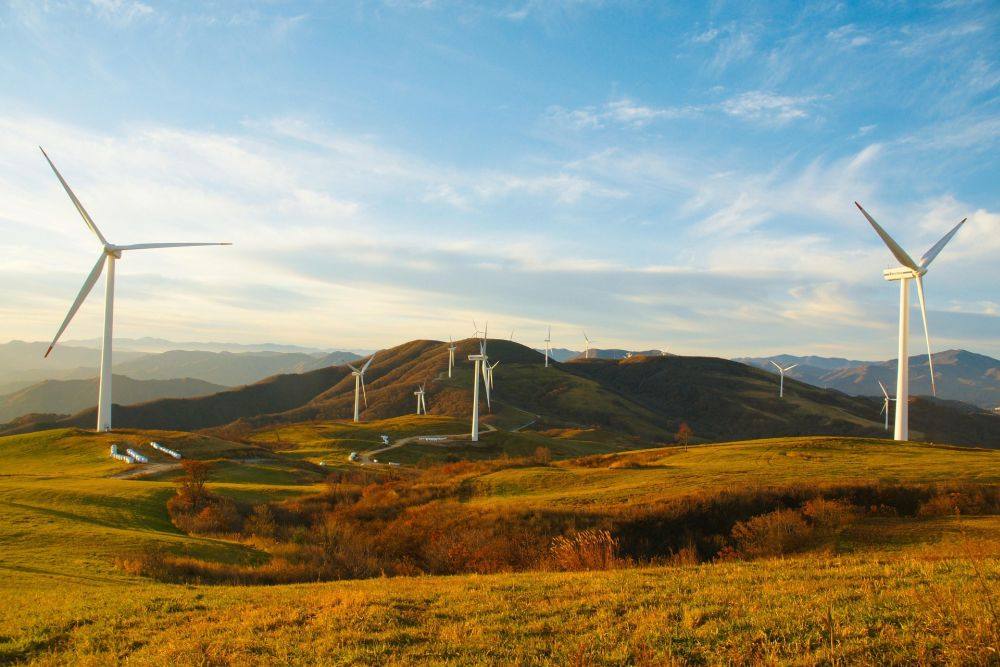
Saudi Arabia and Turkey have agreed to develop wind power plants with a total capacity of 3,000 megawatts (MW) in Turkey, marking a new phase in the energy partnership between the two nations. The agreement was reached on the sidelines of the UN Climate Change Conference (COP31), according to Turkey's Ministry of Energy and Natural Resources and Reuters. The capacity planned for these new wind farms is equivalent to approximately one-fifth of Turkey's currently installed wind power capacity. The projects are part of a broader renewable energy investment program, which will reach 5,000 MW through collaboration with the Saudi investor ACWA Power.
• A Two-Phase Partnership: Solar and Wind Energy
This new agreement represents the second phase of an intergovernmental deal signed in February 2026, which entered into force on October 21. The first phase involves the construction of solar power plants with a combined capacity of 2,000 MW in the provinces of Sivas and Karaman. The Turkish Ministry of Energy has announced that preparatory work for these projects is progressing. The second phase, formalized through a memorandum signed in Antalya, focuses on the development of wind farms with an additional capacity of 3,000 MW. According to Turkish authorities, the investments will also include high-voltage direct current (HVDC) electricity transmission infrastructure, as well as battery storage systems.
These components are essential for integrating larger amounts of renewable energy into the grid. Wind and solar power generation fluctuate based on weather conditions; therefore, storage capacity and transmission networks can help balance the system and reduce the risk of grid congestion. Turkish Energy Minister Alparslan Bayraktar stated that the partnership with Saudi Arabia aims both to expand renewable energy generation capacity and to strengthen energy infrastructure, thereby increasing the flexibility of the power system.
• Turkey requires accelerated investment in energy
The partnership aligns with Ankara's strategy to expand renewable energy generation capacity and reduce reliance on imported fossil fuels. According to government plans cited by Reuters, Turkey needs to install an average of approximately 10,000 MW of new wind and solar generation capacity annually to meet its long-term energy goals. The scale of the planned investments demonstrates that the development of energy generation can no longer be separated from the modernization of power grids. Increasing wind and solar capacity necessitates additional infrastructure for transmission, distribution, and storage-without which the energy produced cannot be fully utilized. For Saudi Arabia, these projects represent an expansion of its foreign investments in energy infrastructure and a strengthening of economic ties with Turkey. ACWA Power, the company designated by the Saudi side to implement the program, is one of the Kingdom's major investors in the energy and infrastructure sectors. For the time being, the authorities have not publicly disclosed full details regarding the locations of the wind farms, the implementation timeline, or the value of the investments associated with the second phase. Consequently, the 3,000 MW figure represents planned capacity, rather than power already installed or available within the Turkish energy system. Across these two phases, the projects developed jointly by Turkey and Saudi Arabia will total 5,000 MW of renewable capacity-a partnership that combines solar and wind power generation with investments in the infrastructure required to integrate this energy into the grid.

























 Euro
 Dolar SUA
 Franc elveţian
 Liră sterlină
 Gram de aur





























Reader's Opinion