English


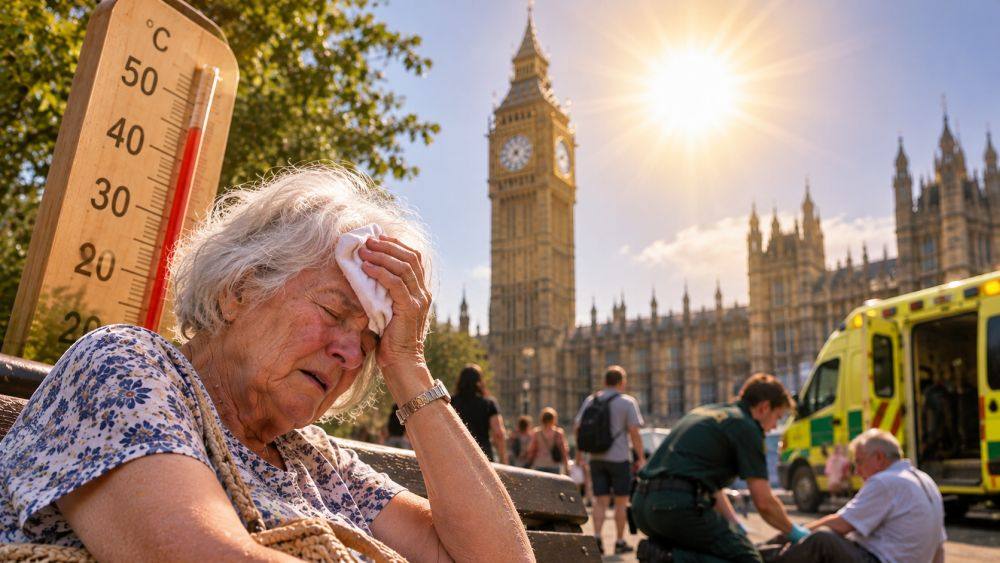
Approximately 5,258 deaths have been linked to heatwave periods in England during the summer of 2026, according to a provisional estimate published by the UK Health Security Agency (UKHSA). This is the highest figure recorded since monitoring began in 2016, exceeding the previous record-set in 2022-by more than 2,200 cases. The most severe impacts were observed during heat episodes in May and June. The UKHSA estimate points to 5,258 heat-related deaths between May and September 2026, with a 95% confidence interval ranging from 4,410 to 6,105 cases. This figure is provisional, as data on death registrations are not yet complete. The final report, which will include details on the age of the deceased, geographical distribution, and causes of death, is expected to be published in early 2027. The previous record was set in the summer of 2022, when the agency estimated 2,985 heatwave-related deaths. For comparison, the UKHSA reported 2,295 cases in 2023, 1,311 in 2024, and 1,504 in 2025.
• Over 3,000 deaths associated with heat episodes in May and June
Most of the deaths were linked to the second heat episode, which occurred between June 21 and 28 and accounted for an estimated 2,401 deaths, according to the UKHSA. The first episode, spanning May 24-27, was associated with another 792 deaths. Together, these two periods accounted for over 3,000 deaths-more than all other heat episodes combined during the summer of last year. According to the agency, the summer of 2026 saw seven such episodes, totaling 41 days. This is the highest number of episodes and days with high temperatures recorded since monitoring began. The UKHSA highlights the specific risks posed by heatwaves that occur early in the warm season; unusually high temperatures can arrive before the general population, local communities, and medical services are prepared to cope with the effects of the heat.
• Authorities urge preparedness from the start of the warm season
The British agency emphasizes that protective measures should not be focused solely on the peak heat periods in the middle of summer. Preparing medical services, adapting homes and urban spaces, and informing the public must begin before the first episodes of extreme temperatures occur. Ross Thompson, a principal environmental health researcher at the UKHSA, warned that high temperatures can affect anyone; however, older adults, young children, pregnant women, and individuals with pre-existing health conditions face higher risks. According to him, climate change is already impacting the health of the population in England, and as the climate warms, periods of extreme heat could become longer, more frequent, and more intense. The data published by the UKHSA provide an estimate of mortality associated with heat episodes, calculated by comparing the number of deaths during these periods with mortality rates during similar timeframes that lacked extreme temperatures. These figures do not represent a tally of death certificates that explicitly list a heatwave as the direct cause of death. The final report, expected in early 2027, will allow for a more detailed analysis of the impact on various population groups and the specific causes of death.
























 Euro
 Dolar SUA
 Franc elveţian
 Liră sterlină
 Gram de aur