 English
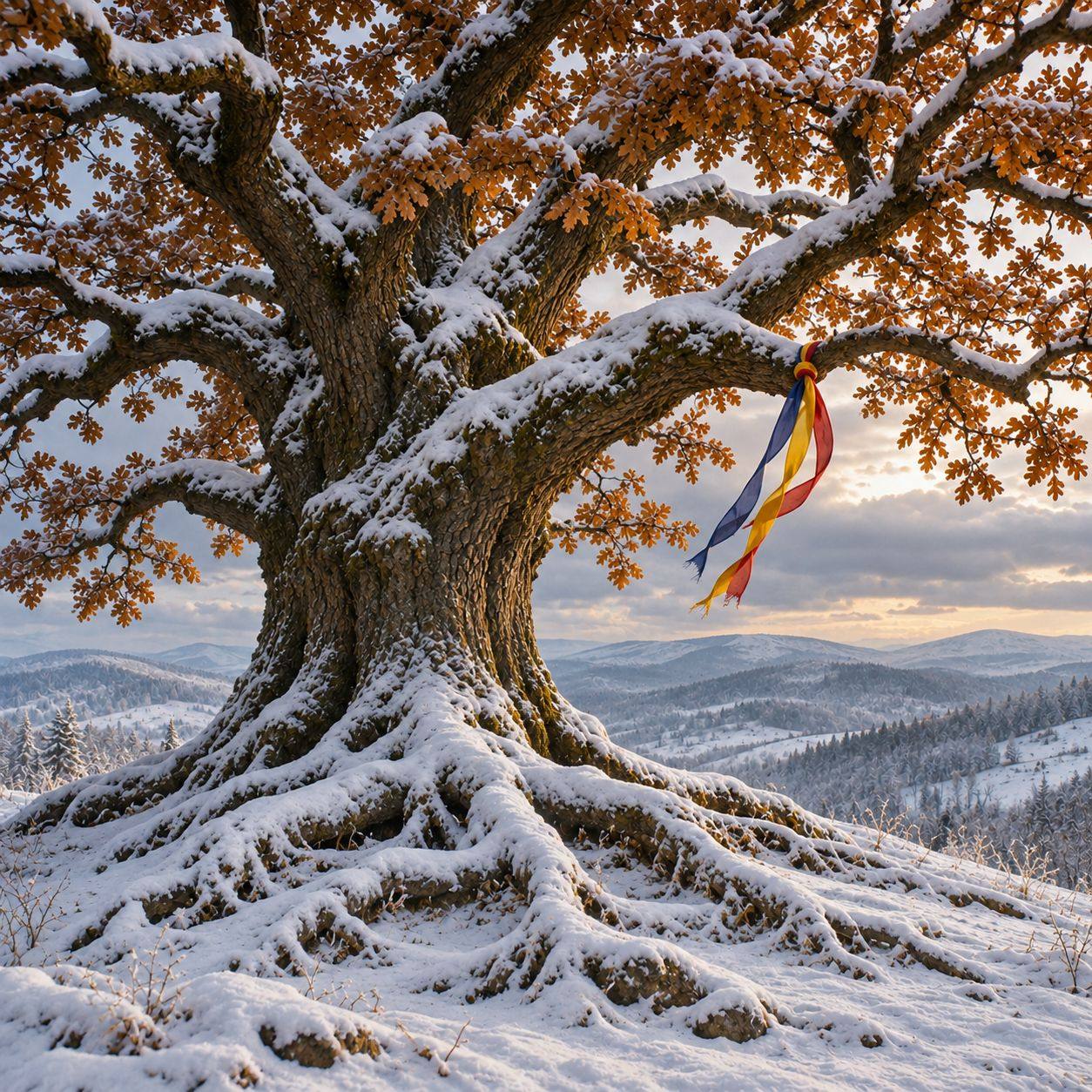

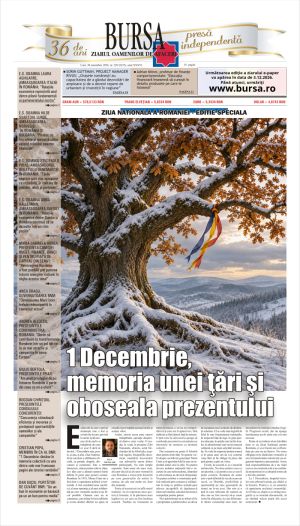
There are days when a country remembers who it once was, and there are days when, looking back, it realizes how far it has strayed from what it had once hoped to become. December 1st is, perhaps, both of these things.
The National Day is more than just an official holiday-more than parades, flags, speeches, and ceremonies. It is a return, if only for a few fleeting moments, to an idea that brought together vastly different people around a shared project: Romania. In 1918, the Great Union was not merely a political or territorial maneuver; it was the culmination of sacrifices, hopes, and a sense of solidarity made possible by the spirit of those times. People who were strangers to one another-living in different places and following different paths-came to believe that they could share a common history and a common future.
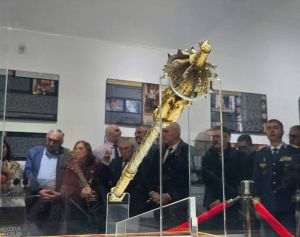
Today, that history can sometimes feel distant, as if plucked from the pages of an old book. Around the time of the National Day, objects-such as the original Declaration of Alba Iulia, the King's scepter, archival photographs, coronation medals, or the personal accounts of those who were there-bring that past back to life. These are not merely museum exhibits; they are traces of lives lived, decisions made, and an era in which Romania endured trials that today's generations know-for the most part-only from textbooks. Perhaps this is precisely where the purpose of tradition lies: not in the repetition of gestures and formulas, but in maintaining a connection with those who came before us. Tradition does not mean living in the past; rather, it means not behaving as if we had appeared only yesterday-rootless and beholden to no one. A country that forgets its history ends up confusing the present with eternity, and fleeting interests with its collective destiny.
Yet, memory cannot be reserved solely for festivities. We cannot speak of the sacrifices made by the generation of the Great Union while ignoring how we relate to one another today. We cannot invoke national unity in a society where distrust, contempt, and hostility have become the norm. We cannot celebrate a political achievement built upon consensus and solidarity when contemporary politics often seems incapable of rising above immediate interests, electoral calculations, and the struggle for power.
Patriotism, too, should not be the exclusive domain of politicians-a mere campaign prop or a collection of solemn declarations. It is reflected, rather, in how our institutions function: in respect for the rule of law, in a commitment to education, in hospitals that fulfill their purpose, and in an administration that does not treat its citizens as mere inconveniences. It is seen in the respect accorded to hard work, and in the opportunity for an individual to build a life here, without being forced to leave the country in search of a future.
On this day, there is also a certain melancholy-not only for what we have lost, but for what we might have built. Today's Romania is a different country from the one of a century ago-a land with freedoms, possibilities, and opportunities that the generations of that time did not possess. Yet, it is also a country from which millions of people have chosen-or were compelled-to seek their future elsewhere; a place where disparities between communities remain vast, and trust in institutions stays fragile. Progress exists, but it does not always reach the places where it is needed most.
Perhaps we should ask ourselves not only what our forebears did for Romania, but also what we are doing with the Romania they left us. We are under no obligation to idealize their era, nor to turn history into an argument against the present. We do, however, have a responsibility not to squander what they built-and not to mistake their legacy for a license to live solely in the past.
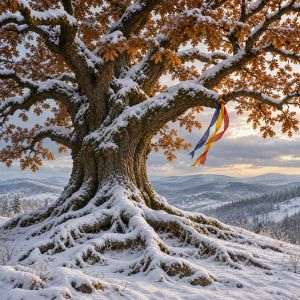
On December 1st, the tricolor flag is hoisted in public squares, on buildings, and in windows. For one day, we are reminded that we belong to the same community. It would be well if, once the flags are taken down and the speeches have ended, at least a trace of this sentiment remained with us.
















 Euro
 Dolar SUA
 Franc elveţian
 Liră sterlină
 Gram de aur












Reader's Opinion