English


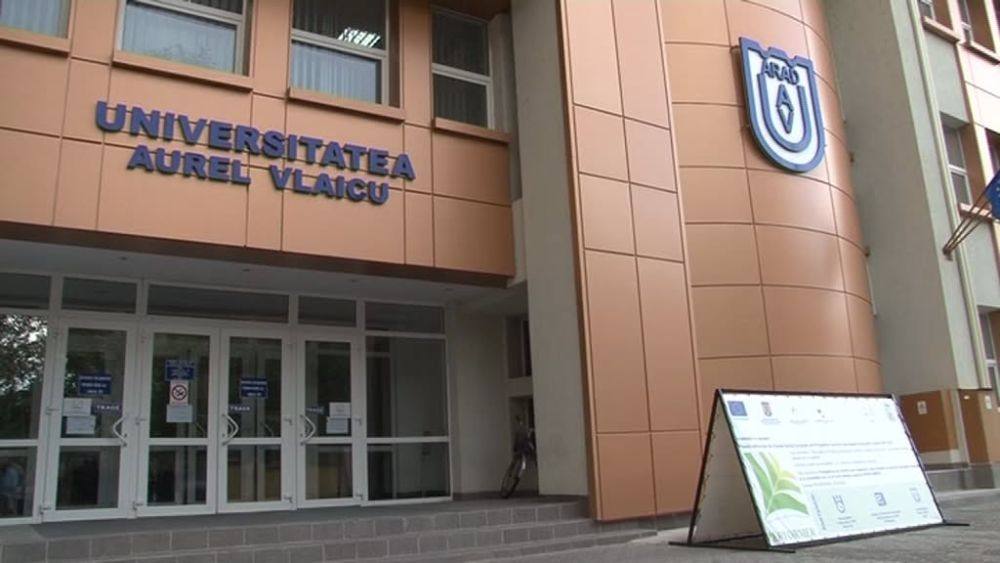
Over 7,000 students at "Aurel Vlaicu" University in Arad are attending classes online, after the institution's leadership decided to temporarily close nearly all its buildings to reduce heating and electricity costs. The Ministry of Education has announced an additional 1.26 million lei in funding, though it maintains that the difficulties reported by the university also stem from how it manages its own resources. The decision by "Aurel Vlaicu" University in Arad to shift teaching activities online-in order to save on utility costs-has reignited the discussion regarding the financial pressure on higher education institutions and their ability to cover current operating expenses using state-allocated budget funds. This measure will remain in place until the winter break; in January, the university's leadership will evaluate whether to continue online instruction or have students return to the classrooms. According to reports in the local press, almost all of the institution's buildings have been temporarily closed, with the exception of the one housing the Faculty of Theology. The university's rector, Ramona Lile, stated that the decision was made in consultation with the Administrative Council and the University Senate, as the available budget would not cover expenses without a reduction in the consumption of energy and other utilities. "We have made the decision to move online for a period of time, in order to save on utility bills," the rector explained. He cited the underfunding of universities and the need to stay within the budget approved by the Ministry of Education.
The university has over 7,000 students, and the decision affects nearly all of them. However, there are exceptions for activities that cannot be conducted exclusively remotely. At the Faculty of Physical Education and Sport, for instance, some practical courses will continue to take place on university premises.
• Ministry of Education: funding must also cover utility costs
Following reports about the shift to online classes, the Ministry of Education and Research stated that it has been providing monthly allocations to state universities-including the institution in Arad-based on funding methodologies approved by ministerial order.
According to the Ministry, the allocated funds are intended to cover both personnel expenses and the utility costs necessary for the operation of higher education institutions. Ministry representatives indicated that if the funds received are insufficient, the situation should also be examined in terms of the university's financial management and its personnel policy. Following a budgetary adjustment, the Ministry of Education announced an increase in funding for "Aurel Vlaicu" University by 1,261,534 lei. This increase will be formalized through an addendum. The Ministry also stated that the university could receive additional funds from the Special Situations Fund, provided that the management team submits a written request acknowledging the management shortcomings that led to the current situation. Should this funding be accessed, the institution would be subject to a one-year monitoring process. Thus, the Ministry's response went beyond merely supplementing the budget; it also addressed the responsibility of the university's leadership regarding how available resources are managed.
• Students point to the loss of practical activities and direct interaction
The shift to online learning affects students in different ways. For those who commute, remote classes mean lower transportation costs. Conversely, other students have expressed concerns regarding the quality of the educational process and the loss of direct contact with professors and peers. Students have noted that activities conducted in front of a computer cannot, in every instance, replace the experience gained in lecture halls and laboratories. These issues are particularly pronounced in fields of study that require practical work and access to specialized equipment. For the time being, the leadership of "Aurel Vlaicu" University has decided that this measure will be re-evaluated in January. The additional funding announced by the Ministry of Education did not come with any indication that it would lead to an immediate return to in-person classes.

















 Euro
 Dolar SUA
 Franc elveţian
 Liră sterlină
 Gram de aur