 English


The European Commission has unveiled its 22nd sanctions package against Russia, which aims to expand financial restrictions, limit the use of cryptocurrencies to circumvent existing measures, and tighten oversight of maritime oil transport. According to the Associated Press, Brussels proposes removing approximately 60 Russian banks from the SWIFT system and adding over 70 additional vessels-part of the so-called "shadow fleet"-to the sanctions list. The measures require unanimous approval from member states before they can take effect. This new package seeks to curtail Moscow's ability to finance the war in Ukraine and to reduce opportunities for evading European sanctions through financial and commercial networks outside the European Union. European Commission President Ursula von der Leyen stated that the proposed measures focus on three key areas: reducing Russia's revenues and funding sources, further isolating the country, and strengthening the enforcement of existing sanctions. "We will continue to propose new sanctions until Russia demonstrates a genuine intention to reach a lasting peace in Ukraine," Ursula von der Leyen said while presenting the package.
• 60 banks targeted for exclusion from SWIFT
One of the most significant components of the proposal is the expansion of the ban on transactions involving approximately 60 Russian banks. The Commission proposes that all these institutions be removed from the international financial messaging system SWIFT, which banks use to transmit payment instructions. This measure would hinder international transfers and complicate the financial relationships these institutions have with external partners. However, exclusion from SWIFT does not mean the total elimination of all payment options; rather, it increases the difficulty and cost of cross-border operations. In parallel, Brussels aims to limit the use of cryptocurrency platforms and payment networks through which Russia could circumvent these restrictions. These actions will not be limited to operators within Russia but will also target entities in third countries that facilitate the evasion of European sanctions. To coordinate these efforts, the Commission has launched a special task force on cryptocurrency sanctions, intended to support cooperation with international partners, the AP further notes. The expansion of financial restrictions follows the Council of the European Union's decision on November 16 to sanction an additional 113 individuals and entities, including nearly 50 Russian banks and financial institutions. The new package would exert further pressure on the banking sector; however, the specific list of targeted institutions-and any potential overlap with sanctions already in place-will be clarified during the approval process.
• The "shadow fleet" and energy services: new targets for Brussels
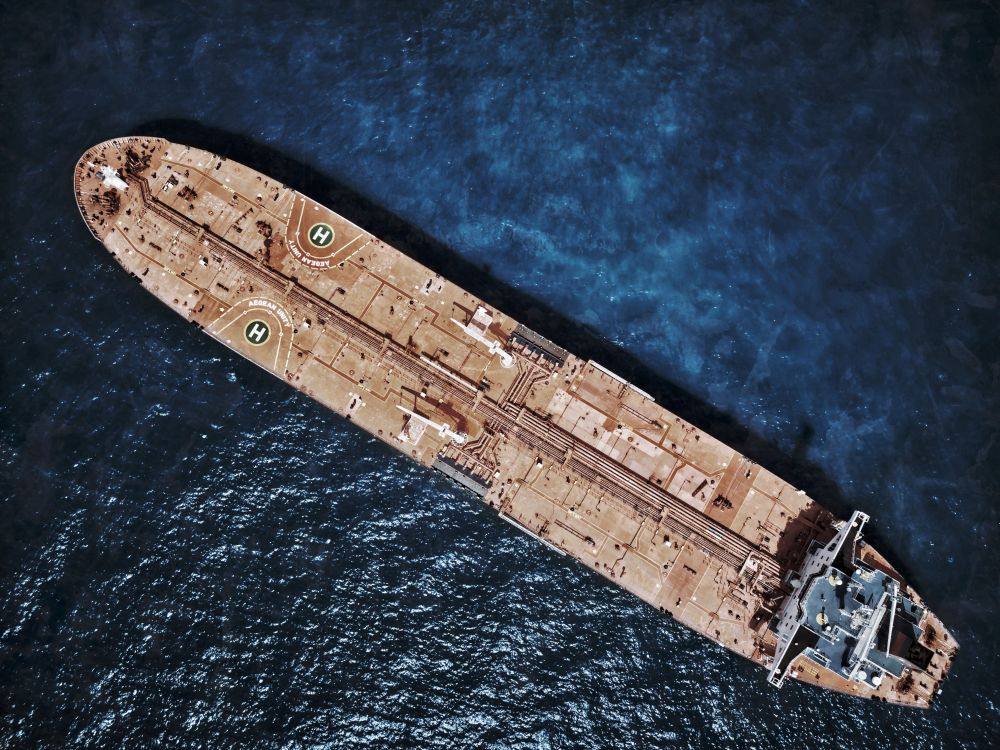
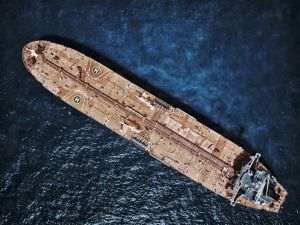
In the energy sector, the Commission proposes extending the ban on the provision of European services for Russian energy infrastructure. Companies within the European Union would no longer be permitted to contribute to the construction, operation, or repair of such facilities-refineries, in particular. For the first time, these restrictions would also encompass services related to the electricity sector. Another significant component concerns the maritime transport of oil. The Commission proposes adding over 70 additional vessels from Russia's "shadow fleet" to the sanctions list and prohibiting the entry of oil tankers insured in Russia. This measure aims to limit the capacity to transport Russian oil using vessels and insurance arrangements designed to circumvent international restrictions. This proposal should not be conflated with a blanket ban on all Russian oil tankers entering European ports; rather, Brussels is specifically targeting the vessels and transport services identified under these new measures, including those with Russian insurance coverage. The "shadow fleet" consists of vessels used to transport Russian oil outside of Western commercial and insurance networks. Some of these ships operate under opaque ownership structures, frequently change their flag, and utilize insurance services from various jurisdictions-all of which complicates the verification and enforcement of sanctions.
• Restrictions in sports and culture as well
The proposed package also introduces measures that extend beyond the financial and energy sectors. The Commission aims to prevent Russian teams and athletes from participating under the flag of the Russian Federation in sports competitions held within the European Union, and proposes a ban on the display of official Russian state symbols at these events. Furthermore, Brussels intends to limit financial transfers from Russian sponsors to sports organizations. European sporting and cultural [events], and to restrict Russian citizens from holding leadership positions within European sports federations. These measures do not amount to a blanket ban on any Russian artist or athlete participating in European events; rather, they specifically target representation under Russia's official symbols, as well as funding and certain leadership roles. Furthermore, the Commission proposes prohibiting European citizens from holding positions on the governing bodies of Russian companies. Another measure aims to restrict access to the European Union for former Russian combatants who participated in the war in Ukraine.
• Unanimity among member states: a prerequisite for implementation
The 22nd sanctions package is currently a proposal from the European Commission. To become binding, it must be approved by all 27 European Union member states, as decisions regarding the Common Foreign and Security Policy require unanimity. Intergovernmental negotiations may lead to the modification or removal of certain measures before the final version is adopted. Consequently, the specific list of targeted banks and vessels, as well as the timeline for implementing these restrictions, will depend on the political consensus reached by the member states. According to the AP, this new package continues the series of European measures adopted following the full-scale Russian invasion of Ukraine in February 2022. Its effectiveness will depend not only on the scope of the restrictions but also on the European Union's ability to prevent the use of financial intermediaries, digital platforms, and trade routes through third countries to circumvent the sanctions.

















 Euro
 Dolar SUA
 Franc elveţian
 Liră sterlină
 Gram de aur



















Reader's Opinion