English


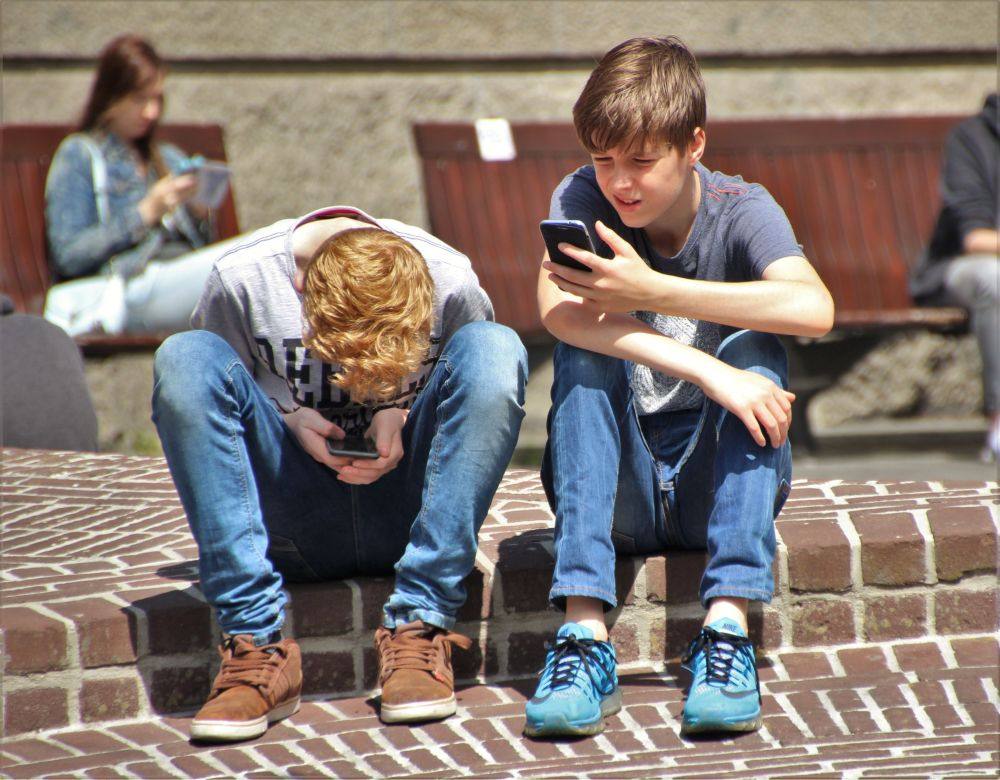
Nine out of ten children use at least one social media platform, and 41.7% created their first account before turning 10, according to a consultation conducted by Save the Children Romania among a sample of 4,659 minors. Nearly half of the respondents have been contacted by strangers, and 18.4% spend more than five hours a day on social platforms. The organization calls for stricter regulations for digital companies, education on online safety, and broader access to free, offline activities. Children are gaining access to social media at an increasingly early age, and the use of these platforms has become a routine part of daily life for most minors. According to the research by Save the Children Romania, more than half of the children who have accounts are present on four to six different social media platforms. WhatsApp is the most frequently used platform, with an 87.9% usage rate, followed by YouTube (76.2%), Instagram (72.3%), and TikTok (71.3%). At the other end of the spectrum is Telegram, used by only 5.7% of respondents.
The age at which children create their first account is one of the primary red flags identified by the research. 41.7% of participants stated that they joined social media before the age of 10, while 16.7% created their first account by the age of seven or younger. Only 5.6% began using these platforms after the age of 14. This trend is more pronounced among younger generations: while 35% of 16-17-year-old adolescents created their first account before the age of 10, this figure reaches 68.9% among the youngest respondents.
• Over 18% spend more than five hours a day on these platforms
The primary reason for creating an initial account-cited by 56% of the children-was to stay in touch with friends. Entertainment was mentioned by 46.4%, and access to information by 37.3%. Currently, staying informed is considered the main benefit of social media, as indicated by 64.6% of respondents. This is followed by entertainment (60.4%), connecting with others (56.2%), taking a break from daily problems (27.8%), and boosting self-confidence (9.7%). The amount of time spent varies significantly from one child to another. 33.7% spend less than three hours a day on social media, while 18.4% spend more than five hours daily. The proportion of those spending over five hours online is higher among girls (20.3%) compared to boys (15.1%). This time is primarily used for chatting with friends-an activity noted by 42.5% of the children-as well as watching videos (28.3%) and playing games (nearly 18%). Collaborating on homework ranks last among the activities mentioned. Another indicator of how social media is integrated into daily routines is its use before bedtime. 46.2% of the children surveyed access these platforms less than two hours before going to sleep. This percentage is higher among girls (49%, compared to 42.5% for boys), adolescents aged 16-17 (55.9%), and children living in rural areas (49.2%).
• Nearly half have been contacted by strangers
The research also highlights children's exposure to aggressive behavior or situations that could compromise their safety. Only 20.3% of respondents state that they have never been victims of, or witnesses to, offensive or aggressive comments on social media.
Nearly half of the children (49.1%) have been contacted by strangers, and 13.6% report having been asked for personal information or images. In the event of an unpleasant experience, 92.1% of respondents say they would know how to handle the situation. Nevertheless, 12% state that they would not seek help from anyone. Among those who would reach out for support, 59.4% would turn to their parents, and 15.8% to friends. Only 6.4% would use the reporting tools provided by the platforms, while 3.6% of the children mentioned the police. Dialogue with parents regarding online activity remains limited. Only 25.4% frequently discuss their online activities with them, while 24.5% have such conversations rarely, and 16.5% never do. The frequency of these discussions decreases with age. The situation is not fully addressed in schools either: just over 60% of children recall having discussed online safety, while 12.3% state that the topic was never covered.
When unable to access social media, 42.7% of children feel bored, 32.9% notice no difference, and 10.3% report negative emotions, such as feelings of isolation, irritability, or restlessness. Another 14.2% say they feel a sense of calm or happiness, or that they are able to concentrate better.
• Three-quarters of children support the introduction of a minimum age requirement
On the other hand, 76.5% of the consultation participants support the introduction of a minimum age for accessing social media. The age thresholds most frequently suggested are 12 years (20%), 10 years (18.2%), and 13 years (15.5%). Children also request accounts linked to those of their parents, the blocking of contact from strangers, the restriction of violent or adult-oriented content, and the simplification of reporting procedures. Proposals also include limiting design features that encourage excessive platform use. Save the Children Romania supports the introduction of a tiered access system, similar to the one included in the draft EU KIDS Act presented by the European Commission on September 17, 2026. Under the European proposal, children under 13 would not have access to social media, while minors aged 13 to 15 could use restricted accounts-managed by parents or guardians-with a daily usage limit of one hour. From the age of 15, adolescents would be able to manage their own accounts. The European Commission's proposal also includes "protection by design" measures, such as limiting features that encourage excessive use, restricting unsolicited contact, and setting minors' profiles to "private" by default.
Save the Children calls for mandatory digital education and free offline activities.
In a document submitted to the European Commission and the European Parliament, the organization calls for additional measures to protect minors. These include the introduction of digital education and online safety courses at all levels of compulsory schooling, starting from the primary level. The curriculum should cover the risks associated with recommendation algorithms, persuasive design, and the use of artificial intelligence-including chatbots and virtual companions. The organization also proposes assessing students' practical skills, such as protecting personal data, reporting dangerous content, and seeking help. Another request concerns ensuring free and equitable access to sports, cultural, and recreational activities. Save the Children argues that member states, in collaboration with minors, must identify the barriers that limit participation in such activities-ranging from costs and transportation to a lack of suitable spaces. Priority should be given to children from low-income families, those living in rural areas, and children with disabilities. Furthermore, the organization calls for national strategies that include budgets and monitoring indicators, the genuine consultation of children during policy development, and mechanisms to ensure that reports regarding urgent risks reach protection services promptly.

























 Euro
 Dolar SUA
 Franc elveţian
 Liră sterlină
 Gram de aur