English


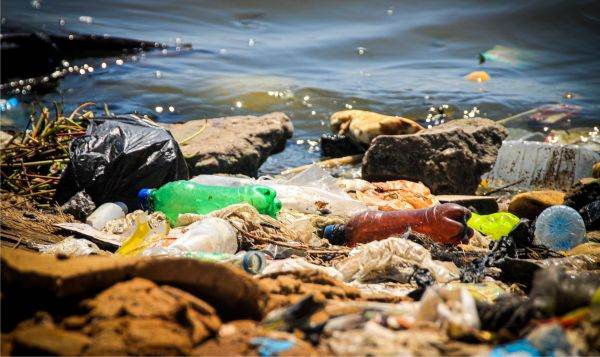
International negotiations aimed at curbing plastic pollution are facing new hurdles, amid opposition to production restrictions and pressure from the petrochemical industry. While an agreement could be reached by March, environmental organizations fear the outcome will be a compromise lacking firm measures-even as global plastic production is projected to triple by 2060. Negotiations for an international treaty to combat plastic pollution, which have been stalled since 2022, have resumed; however, the prospects for an ambitious agreement remain uncertain, AFP reports. Chilean diplomat Julio Cordano, who is chairing the discussions, stated that an agreement could be finalized in March.
The current climate for these negotiations is unfavorable to the adoption of a document that would impose strict limits on the production and use of plastic. The French Ministry for Ecological Transition maintains its commitment to an ambitious treaty, whereas other nations advocate for an approach that grants them the freedom to decide whether or not to limit production or the use of specific additives. This stance was supported in May by the Organization of the Petroleum Exporting Countries (OPEC), according to information cited by AFP.
• The petrochemical industry at the heart of the dispute
The stakes of these negotiations go beyond waste management. Plastic represents an increasingly significant market for the hydrocarbon industry, particularly as the transport sector-the primary consumer of oil-gradually shifts toward electrification. Among the companies with interests in this sector are oil giants such as ExxonMobil and Saudi Aramco, chemical industry groups like Borealis, Dow, and LyondellBasell, as well as firms in the agribusiness sector and major retail chains-all of which consume significant quantities of plastic materials. Beth Gardiner, author of the book Plastic Inc., argues that the European Union has scaled back its ambitions regarding climate change and plastic pollution following the COVID-19 pandemic, the outbreak of the war between Russia and Ukraine, and growing concerns over the cost of living. In her view, these developments have led European policymakers to prioritize economic pressures at the expense of environmental goals.
• The Ineos project in Belgium: a test for European ambitions
One example of the tension between climate goals and industrial interests is a project by the British company Ineos, which plans to launch an ethylene cracker plant in Belgium in the second half of 2027. The facility will produce raw materials intended primarily for the manufacture of plastic bags and bottles. Although the project is presented as having lower greenhouse gas emissions than similar European facilities, the environmental organization ClientEarth warns that it could lock in the production of raw materials for single-use plastics for decades to come.
Critics of the project argue that investments in new production capacity risk undermining pollution-reduction goals-especially if they are not accompanied by measures to limit the use of single-use products.
• The US, Russia, China, and oil-producing states oppose production limits
According to AFP, the United States-under the leadership of Donald Trump-along with Russia and the oil-rich Gulf monarchies, are categorically opposed to limiting plastic production. China, one of the world's major producers, also opposes restrictions on production. Conversely, proponents of an ambitious treaty argue that reducing the volume of plastic produced is essential to combating pollution. Environmental organizations warn that an agreement leaving decisions entirely to the discretion of individual states may fail to bring about the necessary changes.
The NGO Surfrider suggests that a compromise lacking firm measures will fail to genuinely address the problem or protect human health and the environment. The stakes are heightened by the climate impact of plastic production-which relies heavily on hydrocarbons-as well as the persistence of plastic waste, which degrades very slowly. Furthermore, the adverse effects on human health are increasingly well-documented, according to information presented in the AFP report.
• A weak agreement or independent national measures
During informal discussions held in late September, approximately 70 emerging nations-led by Mexico-stated that they do not want a treaty based on the "lowest common denominator," according to the NGO Center for International Environmental Law (CIEL). The list of countries that endorsed this position has not been made public, amid concerns regarding potential retaliation from influential nations, AFP reports.
Against this backdrop, some organizations and observers are questioning whether adopting a weak agreement would be preferable to the failure of negotiations and resuming discussions within a more favorable political context. In May, the NGO Environmental Investigation Agency (EIA) highlighted that states wishing to reduce pollution can take action even in the absence of an international treaty. According to estimates cited by AFP, if the European Union, Canada, and numerous countries in Africa and Latin America were to decide to reduce plastic production and consumption, global production by 2040 could be 16% to 18% lower than current trends suggest. This outlook contrasts with projections indicating that global plastic production is set to triple by 2060. Consequently, the progression of international negotiations and the measures adopted by individual states will influence the future scale of production, as well as the international community's ability to curb pollution.




















 Euro
 Dolar SUA
 Franc elveţian
 Liră sterlină
 Gram de aur