English

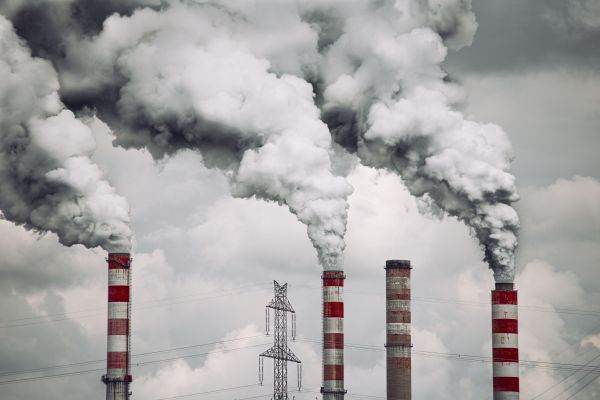
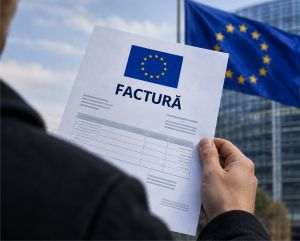
Nitrogen pollution from agricultural activities produces annual costs estimated between 68 and 182 billion euros in the European Union, including for drinking water treatment and restoration of affected ecosystems, according to a report published by the European Commission and cited by the dpa agency. The assessment also shows that the application of the Nitrates Directive has brought significant savings, far exceeding the costs of its implementation.
• The benefits of the directive exceed the costs of implementation
The report is the first comprehensive assessment of the impact of the Nitrates Directive, adopted in 1991, a piece of legislation that obliges member states to limit water pollution caused by the use of agricultural fertilizers. According to the European Commission, the application of the directive has generated estimated savings of between 10 and 22 billion euros annually, while the implementation costs borne by public authorities and agricultural holdings are estimated at 2.8-3.1 billion euros per year. These expenses include monitoring water quality and applying the measures provided for by European legislation. The EU executive specifies that, in the case of farms, the costs represent less than 1% of the value of agricultural production.
• Excess nitrates affect water, soil and biodiversity
According to the report, nitrates are a form of nitrogen that plants can absorb directly. However, when used in quantities greater than can be utilized by crops, they end up in the soil and water resources, contributing to the degradation of environmental quality and the loss of biodiversity. The directive sets limits on the concentration of nitrates in water and requires member states to adopt measures to prevent and reduce pollution generated by agricultural fertilization.
• Brussels promises to reduce bureaucracy for small farms
The European Commission shows that the implementation of the directive has contributed to reducing nitrate pollution in many regions of the Union, but believes that there is still room for simplification of the rules and reduction of administrative burdens, especially for small-scale agricultural holdings. According to the European institution, in the coming period there will be consultations with the member states to identify solutions that maintain the level of environmental protection, while reducing the administrative burden borne by farmers.
















 Euro
Euro Dolar SUA
 Franc elveţian
 Liră sterlină
 Gram de aur