 English
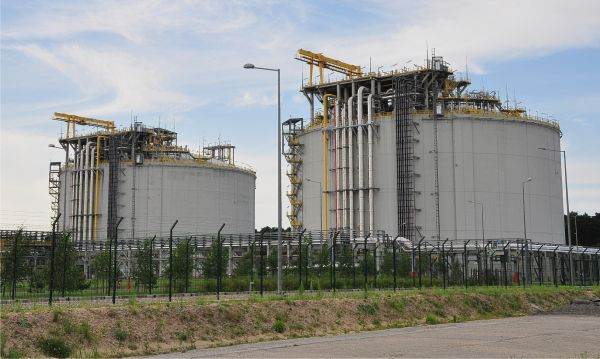
Benchmark natural gas prices on the European market surpassed the euro100 per megawatt-hour (MWh) threshold this week-the first time since December 2022-driven by the war in the Middle East and low storage levels heading into winter, according to Reuters.
On Wednesday, around 16:00, futures contracts for gas delivery next month on the Amsterdam TTF exchange rose by 4%, reaching euro100.37 per megawatt-hour (MWh). Yesterday, around 11:43, the price of gas in Amsterdam stood at euro97.91/MWh (a 2.8% decrease from the previous day).
It is worth noting that the price was around euro32 before the start of the war in late February, though it remains well below the record high of approximately euro340 reached in August 2022, according to euronews.com.
"Once again, due to geopolitical turbulence, Europe is facing a new energy crisis," stated European Commissioner for Energy Dan Jørgensen, adding: "We know that this winter will be difficult for European citizens and for our economy as a whole. Fuel bills have skyrocketed across the EU." According to Reuters, households and industrial consumers in Europe are already feeling the impact of high energy prices. Industry analysts anticipate another year of high prices in the energy market, even if the war in Iran were to end and the winter were to be mild. This is because Europe will need to replenish its gas reserves, which have fallen to historic lows. Gas storage levels in the EU currently stand at approximately 75%-the lowest level recorded for this time of year since 2009.
• Extremely low stock levels
The European Network of Transmission System Operators for Gas (ENTSOG) recently published a report titled "Winter Supply Outlook 2026/27," which assesses the extent to which European gas infrastructure can ensure supply throughout the upcoming winter season, based on various supply and demand scenarios, according to energyindustryreview.com. The analysis covers the period from October 1, 2026, to March 31, 2027, and also provides an outlook for the summer of 2027.
The source notes that Europe is entering the winter season with extremely low gas storage levels, against a backdrop of higher and more volatile global prices. According to the report, as of October 1, 2026, EU underground gas storage facilities were 72% full, following a challenging injection season. Given the essential role of storage in meeting demand during the winter and supporting security of supply, experts recommend continuing gas injections into storage at the start of the winter, alongside close monitoring of stock levels and system conditions.
Storage covered approximately 26% of the EU's gas consumption during the 2025/2026 winter and about 30% during the 2024/2025 period, the cited report notes. Maintaining sufficient stock levels throughout the winter is important both for the current season and for the subsequent period of stock replenishment.
European gas infrastructure remains flexible enough to meet demand, with an LNG regasification capacity of approximately 1,600 TWh per winter season (about 145 billion cubic meters). This capacity can partially offset lower storage levels at the start of the withdrawal season and help meet winter demand, according to the source.
Maintaining a robust flow of LNG supplies throughout the winter remains crucial for supporting the gas balance in Europe and preserving storage levels. If LNG availability remains limited, stocks could fall significantly below 30% by the end of the winter; this would exacerbate the impact of any cold spells occurring later in the season and could constrain the ability to replenish stocks the following summer. "In line with previous assessments, Europe enters this season with a resilient gas infrastructure, providing a solid foundation for security of supply," states Piotr Kus, General Director of ENTSOG, adding: "As winter approaches, this outlook underscores that every additional molecule available today-whether in storage or sourced as LNG-strengthens Europe's position, not only for the coming months but also for the next storage-refilling season. Regional disparities persist, particularly for landlocked countries in Central and Eastern Europe, as well as in Southeast Europe, which could face greater difficulties in accessing sufficient quantities of LNG.”























 Euro
 Dolar SUA
 Franc elveţian
 Liră sterlină
 Gram de aur






























Reader's Opinion