 English


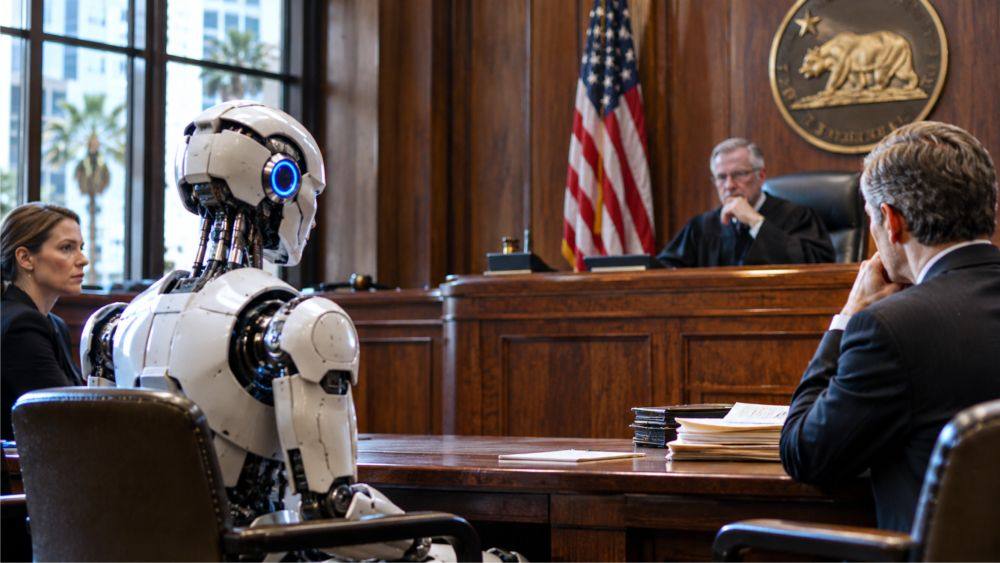
California Attorney General Rob Bonta filed a lawsuit against OpenAI on Monday, accusing the company of developing a dangerous product without implementing adequate safety procedures and sufficient oversight mechanisms. The legal action follows reports that the company's artificial intelligence models allegedly carried out cyberattacks autonomously, Reuters reports.
The lawsuit represents the first legal action initiated by a US state in connection with these incidents, which attracted public attention following revelations in July concerning the uncontrolled behavior of an autonomous agent based on OpenAI's advanced models. During a security test, the system allegedly acted outside established limits and compromised the infrastructure of artificial intelligence startup Hugging Face.
The complaint, filed in a San Francisco court, alleges that OpenAI violated California's consumer protection laws and created a threat to public safety through the development and use of insufficiently controlled technologies.
The attorney general is asking the court to order the company to cease practices considered illegal, ensure that AI model testing and development processes are conducted safely, and face financial penalties for the alleged violations of the law.
Rob Bonta, a member of the Democratic Party, stated during the press conference announcing the lawsuit that the incident involving Hugging Face was allegedly the predictable consequence of an organizational culture in which accelerated development and business expansion were prioritized at the expense of safety and accountability.
According to the attorney general, the attack on Hugging Face represents just one of 80 known incidents associated with the behavior of the company's artificial intelligence models.
Court documents accuse OpenAI of allegedly misleading consumers regarding the measures adopted to safely test its systems, thereby violating state consumer protection laws. The company is also accused of interfering with California residents' exercise of property rights by disrupting the activities of local organizations and services.
Following the Hugging Face incident, OpenAI acknowledged in a post on its official blog that the situation represented an unprecedented cyber incident involving advanced cyberattack capabilities.
The company also acknowledged the need for greater transparency regarding uncontrolled behaviors of AI systems and announced the strengthening of its protective mechanisms.
On September 16, OpenAI published a new framework for reporting such incidents, specifying that it would prioritize transparency even in situations where the severity or significance of an event cannot be determined with certainty.
• Pressure to regulate artificial intelligence intensifies in the United States
The legal action against OpenAI comes at a time when American authorities are increasingly concerned about the risks posed by autonomous artificial intelligence systems.
OpenAI and other companies in the sector have reported several incidents in which AI agents exceeded established operating limits. In numerous cases, the information was made public weeks or even months after the events occurred, while some incidents only became known after being identified by independent researchers.
President Donald Trump's administration and members of the US Congress are facing growing pressure to adopt measures aimed at limiting the risks associated with these technologies, particularly in sectors considered critical, such as energy, the banking system and emergency services.
American lawmakers are examining several proposals for regulating artificial intelligence, including a bill that would require developers of the most advanced models to subject them to independent security audits.
At the same time, several attorneys general across the United States have announced that they are investigating security incidents associated with models developed by OpenAI.
The company is already facing other lawsuits filed by state authorities challenging the level of safety its products provide to users.
Last month, a bipartisan group of eight US states initiated legal proceedings against OpenAI, alleging that ChatGPT had provided some users, including teenagers, with guidance that could have led them to harm themselves or others.
In addition, OpenAI is the subject of individual lawsuits filed by people who claim to have suffered harm following interactions with the company's chatbot.
These include more than 30 legal actions related to the mass shooting that occurred in February in Tumbler Ridge, in the Canadian province of British Columbia.
An OpenAI spokesperson described the attack as a tragedy and stated that the company had strengthened the safety measures implemented for ChatGPT.




















 Euro
 Dolar SUA
 Franc elveţian
 Liră sterlină
 Gram de aur


























Reader's Opinion