 English


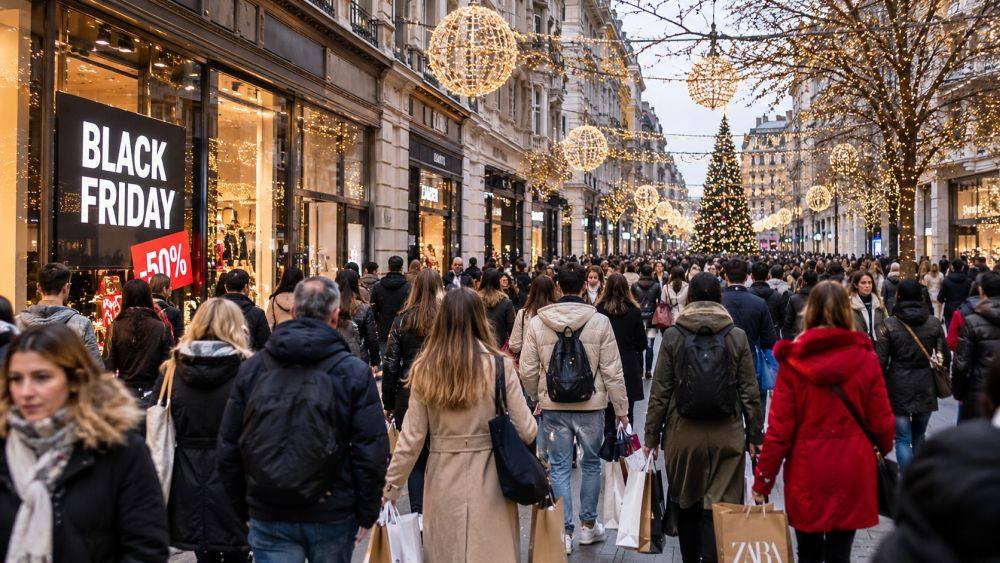
The approach of the holidays, Black Friday campaigns, and the onset of the cold season make November a significant period for European consumption. Electronics, clothing, cosmetics, and gifts attract shoppers, while expenses related to housing, energy, food, and transport continue to account for the largest share of household budgets. In-store discounts and Christmas preparations coincide with routine household expenditures-all during a time when temperatures are dropping and energy bills begin to place a heavier burden on family budgets.
According to a forecast published by the Mastercard Economics Institute, retail sales in Europe-excluding automobiles and fuel-are projected to grow by 3.4% between November 1 and December 26, 2026, compared to the same period last year. This estimate is based on SpendingPulse data, which tracks both in-store transactions and online purchases, regardless of the payment method used.
The forecast points to a favorable period for retailers, while also highlighting a shift in consumer behavior. Online shopping continues to gain ground, with the discount periods surrounding Black Friday and Cyber Monday accounting for a significant portion of seasonal purchases.
• Electronics, fashion, and cosmetics benefit from discounts
Categories that stand to gain the most from the rise in online shopping include premium fashion, beauty products, sporting goods, and electronics. Consumers take advantage of promotional campaigns to purchase items they had put off buying earlier in the year, or to begin their Christmas shopping.
However, physical stores remain important-especially as the holidays approach-with toys, jewelry, and cosmetics frequently purchased in the final stretch before Christmas. Mastercard also notes an increase in the share of online shopping taking place in the evening, after 8:00 PM. In Spain, nearly a quarter of online holiday spending occurs after this time. In the United Kingdom, the share of online purchases made after 8:00 PM reached 17% during the holiday season, up from 12% in 2019. Another trend observed by the company is the use of artificial intelligence in the process of researching and selecting products. AI tools are increasingly being used to compare offers, identify products, and guide shoppers toward stores.
• Housing and food account for the largest share of budgets
Beyond the commercial frenzy typical of November, Eurostat data shows that the largest expenditures for European households remain those related to daily necessities.
In 2025, housing, water, electricity, gas, and other fuels accounted for 23.8% of total household consumption expenditure in the European Union. Food and non-alcoholic beverages made up 13.2%, while transport accounted for 12.5%. Restaurants and accommodation services accounted for 9.5% of expenditure, recreation, sport, and culture for 7.7%, and clothing and footwear for 4.1%. These figures show that, although November is particularly associated with sales and holiday shopping, the bulk of Europeans' spending continues to be directed toward housing, food, and transport.
The cold season highlights the importance of expenditure on heating and energy. At the same time, preparations for Christmas meals and family gatherings can increase the budgets allocated to food and beverages during the final weeks of the year.
• European consumption grew in 2025
According to data published by Eurostat in November 2026, final household consumption expenditure in the European Union-adjusted for inflation-grew by 1.6% in 2025 compared to the previous year. The largest real increases were recorded in information and communication (3.3%), followed by recreation, sport, and culture (3.1%), and clothing and footwear (2.7%). The only major category to see a decline was alcoholic beverages, tobacco, and narcotics, where spending fell by 1.9%.
This trend indicates a shift in consumption toward communications, recreational activities, and clothing, even though housing and food continue to dominate the structure of household budgets.
• Romanians Begin Christmas Shopping on Black Friday
In Romania, Black Friday has become one of the primary starting points for the winter shopping season. According to a Shopfully study conducted in October 2026, approximately 42% of the Romanians surveyed intend to begin their Christmas shopping during the Black Friday period. Another 18% start their planning in October, while only 11% leave their purchases until December. About 14% of respondents respondents have not planned any Christmas shopping. The study shows that physical stores remain the primary choice for Romanian shoppers: six out of ten respondents prefer to purchase gifts in-store, while 28% combine online and offline shopping. Only 11% prefer e-commerce exclusively. Regarding the types of products sought, clothing, footwear, and accessories are among the top choices, alongside household items, decorations, and furniture-each of these categories was mentioned by 35% of participants. Food and beverages were cited by 31% of respondents, children's toys by 22%, and electronics and smart devices by 20%. Nearly half of the participants estimate a budget of approximately 1,000 lei for Black Friday shopping, while 29% have not set a fixed amount.
• E-commerce and small businesses look to capitalize on the season
The rise in consumption during the final two months of the year is not limited to large retail chains and e-commerce platforms. According to the Mastercard Economics Institute, small businesses across Europe are benefiting from a seasonal increase in spending on services and experiences. Travel agencies in the United Kingdom, live entertainment in Italy and Poland, craft shops in Spain, and florists in the Czech Republic are among the sectors seeing an increased share of consumer spending during the holiday season. According to the same analysis, nearly a third of European companies' annual spending on restaurants occurs in the fourth quarter. A similar trend is observed regarding corporate purchases of electronics and home appliances. For retailers, therefore, November represents more than just a month of discounts. It marks the beginning of a period concentrated with gift-buying, holiday-related expenses, travel bookings, and a significant portion of spending on services. For households, however, this same period entails managing a budget under added pressure. Winter utility bills and routine expenses do not vanish during promotional campaigns, and discounts do not automatically equate to savings. In many instances, they trigger purchases that might otherwise have been deferred. Thus, November becomes a month when European consumption shifts its pace: retailers bank on holiday shopping, while families attempt to balance essential expenditures with the desire to take advantage of seasonal offers.


















 Euro
 Dolar SUA
 Franc elveţian
 Liră sterlină
 Gram de aur




















Reader's Opinion