English
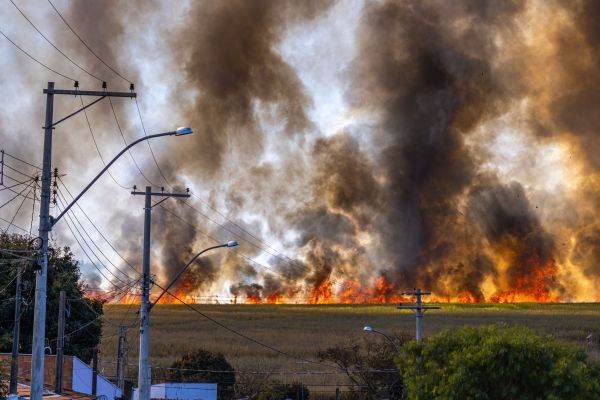
Smoke from large-scale wildfires can reduce electricity generation from photovoltaic panels by up to 70% near the fire sources, and by up to 30% at distances exceeding 150 kilometers, according to a study by Australian researchers. The findings highlight the vulnerability of solar farms to extreme wildfires, the effects of which can extend well beyond the areas directly impacted by the flames. The research, published in the journal Solar Energy, was conducted by specialists at the University of New South Wales (UNSW) in Sydney. They utilized historical meteorological data and satellite observations to simulate the impact of smoke and airborne particulate matter on solar energy production and the temperature of photovoltaic panels. "Extreme wildfires have become increasingly frequent and intense in several regions around the world, including Australia, California, and Southern Europe. Their impact is not limited solely to the areas where the fires are burning," stated Shukla Poddar, a postdoctoral researcher at UNSW and the study's corresponding author.
• Australia's "Black Summer": Losses of up to 70%
The researchers analyzed two major wildfire episodes in Australia to estimate the impact of smoke on photovoltaic energy production. During the 2019-2020 wildfires, known as the "Black Summer," electricity generation dropped by as much as 70% in areas located approximately 50 kilometers from the fire fronts, for several consecutive days. In regions more than 150 kilometers away, the reduction in output reached 30%, as the wind carried smoke deep into the Australian continent. In the case of the 2009 wildfires in the state of Victoria-known as "Black Saturday"-the estimated declines were smaller: approximately 18% near the fire fronts and up to 10% in more distant areas.
• Smoke forecasting: a useful tool for solar farm operators
Smoke and airborne particulate matter reduce the amount of sunlight reaching the surface of photovoltaic panels, thereby diminishing the electricity generated. These effects can be felt even at great distances from the fires themselves, depending on wind direction and intensity. To mitigate this impact, the study's authors recommend integrating wildfire information with wind data and modeling the trajectory of the smoke. Such tools could help identify solar farms at risk and estimate when the smoke will reach the installations. Early warnings would allow operators to plan inspections, schedule cleaning operations, and adjust the orientation of solar panels before the smoke arrives, in an effort to limit production losses. The study draws attention to a significant vulnerability of renewable energy: although photovoltaic panels do not need to come into contact with flames to see their efficiency drop, smoke carried from a distance can significantly affect electricity production.























 Euro
 Dolar SUA
 Franc elveţian
 Liră sterlină
 Gram de aur