English
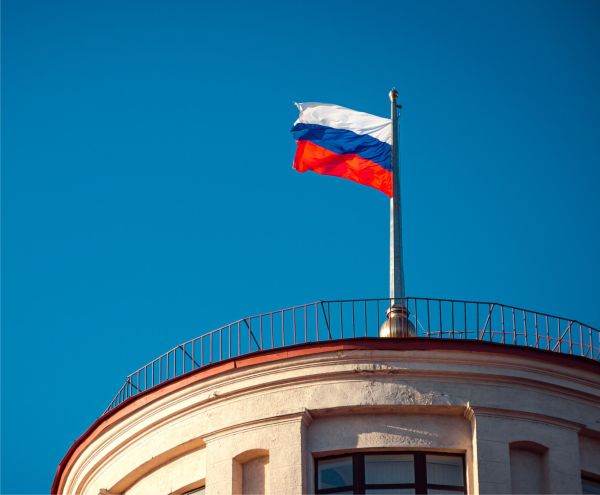
Germany risks entering into a violent conflict with Russia, warns Martin Jäger, head of the German Federal Intelligence Service (BND). The message delivered during an October 5th hearing in the Bundestag-and reported by ZDF and Welt-describes a confrontation that goes beyond mere espionage: the pressure on Berlin could take increasingly dangerous forms, with consequences for the security of all of Europe. In the BND leadership's assessment, Russia poses the most direct, extensive, and concrete threat to Germany.
"Russia is waging a shadow war against us," stated Martin Jäger. Citing the failed drone attack attempt in Leipzig, he warned of an escalation in the confrontation. In his view, the danger of attacks within Germany is real and present.
However, the BND chief noted that there are currently no indications of a large-scale Russian military attack against NATO. The year 2029 remains the benchmark for defense planning, yet it offers no guarantee of security in the interim. Martin Jäger does not rule out limited military actions in the Baltic region or "false flag" operations designed to conceal the true perpetrator and complicate the adversary's response.
It is precisely this uncertainty that makes the confrontation so difficult. A military alliance can prepare a defense against an identifiable attack. Far more complex is managing incidents that force authorities to simultaneously determine who acted, what their objective is, and how far they are willing to go. In such a context, ambiguity itself can become a tool of pressure: it delays decision-making, fuels suspicion, and tests political solidarity.
The human dimension of the threat was highlighted by Sinan Selen, head of Germany's domestic intelligence agency. According to reports by ZDFheute, he maintains that Russia is already accepting the risk of civilian casualties and is planning acts of violence against individuals, carried out by state or state-controlled actors.
As Martin Jäger explains, the support provided to Ukraine has turned Germany into a major obstacle to Moscow's ambitions in Europe. The BND chief anticipates further acts of intimidation, interference, and potentially nuclear threats. He warns that hesitation could embolden the Kremlin to step up the pressure.






















 Euro
Euro Dolar SUA
 Franc elveţian
 Liră sterlină
 Gram de aur