English

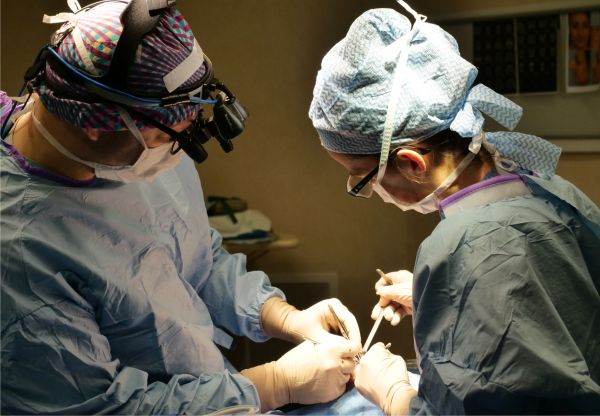
Romanian neurosurgery is at a level comparable to that of Western countries, and several clinics in Romania possess advanced medical technologies, according to Prof. Dr. Adrian Bălaşa, Head of the Neurosurgery Clinic at the Târgu-Mureş County Emergency Clinical Hospital and President of the Romanian Society of Neurosurgery (SRN). This statement was made in Braşov during the opening of the 51st Congress of the Romanian Society of Neurosurgery, an event attended by over 230 specialists from four continents.
• Romanian clinics equipped with state-of-the-art technology
"There is nothing in Western countries that we do not also have," stated Prof. Dr. Adrian Bălaşa, referring to the current state of neurosurgery in Romania. According to him, the field is constantly modernizing through the development of new medical facilities. Examples include the recently inaugurated center in Cluj and the Burn Center in Târgu-Mureş, where four of the 25 operating rooms are dedicated exclusively to neurosurgery. Both centers, he noted, benefit from state-of-the-art technology. "The Romanian Society of Neurosurgery is involved in education - particularly for young professionals - and in bringing the latest global trends and scientific advancements to Romania, ensuring that patients here benefit from the latest knowledge and innovations worldwide," the SRN president stated. He emphasized that neurosurgery is "the most technology-driven branch of surgery" and that the use of new technologies can help improve the medical services provided to patients.
• Investments do not yet cover the entire country
However, Prof. Dr. Adrian Bălaşa acknowledged that investments in state-of-the-art technology are not currently distributed across all regions of the country. He believes that equipment should be prioritized for clinics that treat patients from across the country, handle a complex range of pathologies, and possess the necessary human resources. "You cannot invest in clinics where the necessary human resources are lacking," he stated. The President of the Romanian Society of Neurosurgery noted that the organization has provided the Ministry of Health with a strategy for the field's development. Additionally, last year saw the creation of the first treatment guideline for stroke, based on protocols established by the Romanian National Stroke Association and the Romanian Society of Neurology. The guideline includes intravenous thrombolysis and mechanical thrombectomy in the treatment of acute ischemic stroke.
• Guideline for standardizing stroke treatment
According to Prof. Dr. Bălaşa, the guideline aims to standardize the treatment of patients with ischemic or hemorrhagic strokes, ensuring they have comparable chances of survival and recovery regardless of the region where they are located. "Wherever in the country such a misfortune might strike, you should receive the same treatment and have equal chances of survival and a life after the event," he explained. He noted that the strategy's implementation also depends on decisions made by the authorities, while specialists seek to support these measures through their expertise and institutional efforts.
"There is a clear trend toward modernization in Romania generally, and in neurosurgery specifically. Of course, these investments do not cover the entire country; they must be directed primarily to centers that treat patients from across Romania and handle complex medical conditions," stated the SRN president.
Dr. Cristian Kakucs, Head of the Neurosurgery Department at the Braşov County Emergency Clinical Hospital, stated that the unit currently treats a wide range of conditions, with a team of six physicians. He noted that the department's growth has been supported by investments in equipment and the establishment of a permanent on-call service. "We are constantly developing, partly because the authorities have recognized the importance of advancing this field; furthermore, given that Braşov is a tourist destination, we see many foreign nationals and handle a high volume of emergency cases," Dr. Kakucs said. According to him, the department strives to maintain international standards and address the broadest possible spectrum of medical conditions. Currently, the department treats craniocerebral and vertebromedullary trauma, brain tumors, and hydrocephalus. Dr. Kakucs added that some patients choose other medical centers due to a lack of up-to-date information regarding the level of development at the Braşov County Emergency Clinical Hospital. • Cluj: A Training Hub for Sub-specializations
The former president of the Romanian Society of Neurosurgery, Prof. Dr. Ioan Ştefan Florian - head of the Neurosurgery Clinic in Cluj - emphasized. This highlights the importance of developing high-performance centers for physician training as well. He announced that the newly inaugurated center in Cluj will enable the training of neurosurgeons across all sub-specialties, including fully trained physicians seeking further specialization. "We look forward to welcoming as many residents as possible. We recently opened the new center in Cluj - a facility representing a unique concept within Europe, I might add - where we will be able to train neurosurgeons in all sub-specialties, including qualified physicians wishing to pursue advanced specialization," stated Prof. Dr. Ioan Ştefan Florian. He also expressed hope that Braşov would develop a neurosurgeon training center with the support of Transilvania University.























 Euro
Euro Dolar SUA
 Franc elveţian
 Liră sterlină
 Gram de aur