English


Negotiations at the UN Climate Change Conference (COP31), held in Antalya, Turkey, have entered their second week without an agreement on key issues, such as accelerating electrification, phasing out fossil fuels, and financing climate change adaptation. UN climate chief Simon Stiell has urged representatives from the nearly 200 participating countries to stop stalling and accept compromises to achieve common goals, according to DPA. "As we begin the second week, I urge parties to tackle the toughest issues quickly and avoid tactical delays," Stiell stated, addressing negotiators gathered at the 31st UN Climate Change Conference. The official acknowledged the complexity of the discussions -covering 165 agenda items - and the difficulty of reaching a consensus on every specific formulation. "There can be no collective success without compromises from every single party," he emphasized. Central themes of the conference include accelerating global electrification and ensuring that vulnerable nations have access to climate finance.
• Greenpeace calls for commitments regarding fossil fuels and deforestation
Martin Kaiser, director of Greenpeace Germany, suggests that the European approach to the negotiations in Antalya raises questions. He asked the German Minister for the Environment, Carsten Schneider - who is expected to arrive at the conference on Monday - to support the inclusion of three commitments in the final declaration. These involve setting a target for green electrification, developing concrete plans for the phase-out of oil, gas, and coal, and halting deforestation. Regarding electrification, Australia - a co-chair of the conference - supports establishing a goal to increase the share of electricity in global final energy consumption from the current level of approximately 23% to 35% by 2035. This target would cover energy used in transport, heating, cooling, and the operation of household appliances. Expanding electrification across the transport, construction, and industrial sectors could yield significant gains in energy efficiency. According to calculations by the International Energy Agency (IEA), under an optimistic scenario, the electrification of these sectors could reduce carbon dioxide emissions by 40% by 2035. However, the impact on the climate also depends on the sources used to generate the electricity. A wider adoption of solar, wind, and hydropower would amplify the benefits in terms of emission reductions.
• African nations demand clarity on adaptation financing
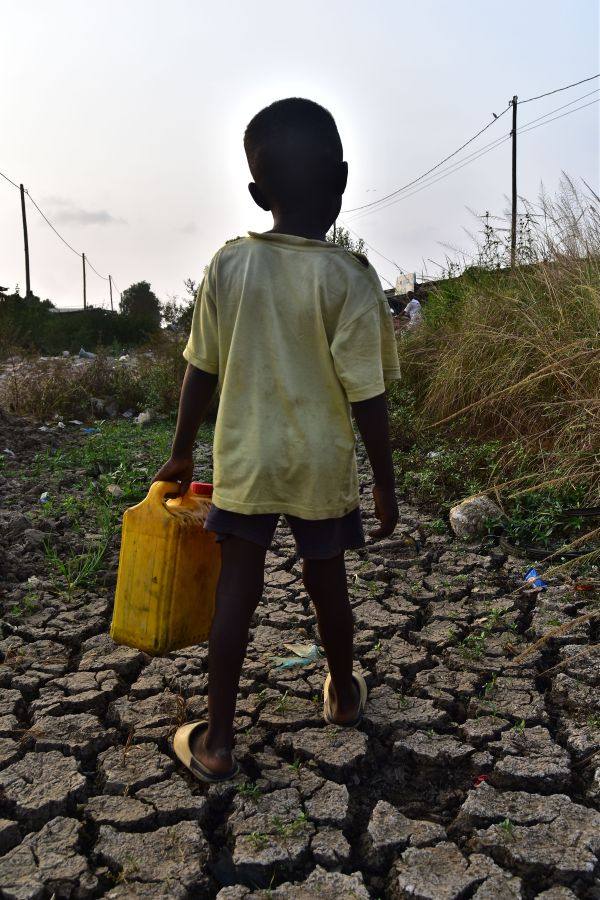
The financing of climate change adaptation has caused friction during the first week of negotiations. African nations have called on donor countries to specify their financial contributions, payment schedules, and the mechanisms through which the funds will be monitored. The dispute concerns the wording of the resolution adopted at COP30 in Brazil. The document called for tripling the support provided by wealthy nations for climate change adaptation by 2035, but it failed to establish a baseline year, intermediate milestones, or a specific final monetary figure. Sabine Minninger, a representative of the German organization „Brot fur die Welt” ("Bread for the World"), told DPA that she understands the dissatisfaction of African nations, which are affected by droughts, agricultural losses, and floods linked to global warming.
She criticized the refusal of industrialized nations to engage in concrete discussions regarding financing, even as African communities are already grappling with the impacts of the climate crisis.

















 Euro
 Dolar SUA
 Franc elveţian
 Liră sterlină
 Gram de aur