English

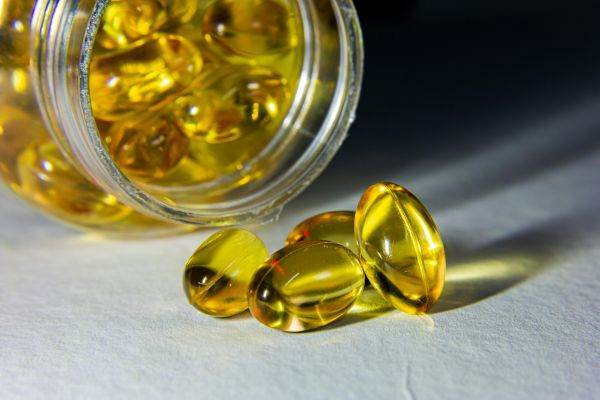
A clinical study conducted in Brazil brings new insights into the potential role of Vitamin D in the treatment of breast cancer, suggesting that daily administration of an affordable supplement could increase the effectiveness of chemotherapy in women diagnosed with this disease, reports Science Daily. The research, conducted at the State University of Sao Paulo (UNESP), within the Botucatu School of Medicine, was published in the scientific journal Nutrition and Cancer and analyzed the effects of vitamin D supplementation on the response to neoadjuvant chemotherapy - treatment administered before surgery to reduce the size of tumors.
• Promising results: complete tumor disappearance almost doubled
The study included 80 women over the age of 45, divided into two groups: 40 patients received 2,000 IU of vitamin D daily; 40 patients received a placebo. After six months of treatment, 43% of the patients who took vitamin D experienced complete pathological remission - that is, the complete disappearance of detectable signs of cancer following chemotherapy - compared to only 24% in the placebo group.
• A low-cost solution compared to expensive modern therapies
The study authors emphasize that vitamin D could become a much more accessible therapeutic support alternative than some innovative drugs used to increase the effectiveness of chemotherapy, many of which are expensive or difficult to obtain in public health systems. Eduardo Carvalho-Pessoa, one of the authors of the research, noted that: "Even with a small sample, the difference observed was significant."
• Vitamin D deficiency, a common problem in patients
Most participants had insufficient vitamin D levels (below 20 ng/mL) at the start of the study, and supplementation helped increase them during treatment. Vitamin D is mainly recognized for its role in bone health, but recent research also suggests an important contribution to: regulating the immune system; reducing inflammation;
supporting antitumor mechanisms. Although the results are considered encouraging, the researchers point out that the study is relatively small and does not justify, for now, changing therapeutic standards without further research.
Larger clinical trials are needed to: confirm efficacy; establish optimal doses; evaluate long-term safety.
• Caution on self-medication
Although vitamin D is available without a prescription in many countries, excessive administration can have serious adverse effects, including: kidney stones; nausea and vomiting; muscle weakness; metabolic disorders. The Brazilian discovery is part of a growing body of research investigating the role of inexpensive nutrients and supplements in supporting conventional cancer therapies. If the results are confirmed in future studies, vitamin D could become a simple, inexpensive and widely available component in optimizing treatment for millions of women affected by breast cancer.
Vitamin D is not a miracle cure for cancer, but the study provides strong evidence that the substance could become a valuable adjunct to breast cancer chemotherapy. For health systems under financial strain, such a solution could have major implications: lower costs, wider access and better chances for patients.

























 Euro
Euro Dolar SUA
 Franc elveţian
 Liră sterlină
 Gram de aur