English

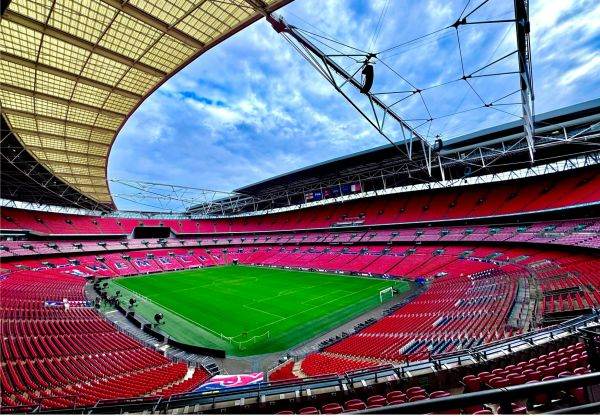
The 12 consecutive concerts that Harry Styles will perform at the famous Wembley Stadium in June are estimated to generate more than £1bn in revenue for the London economy, according to a study by Barclays. According to the British bank's analysis, the total economic impact of the shows is estimated at around £1.06bn (around euro1.22bn), an amount that includes fans' spending on tickets, transport, accommodation and special outfits.
• Almost £1,000 spent by each fan
The study shows that spectators intend to spend, on average, £981 per person. The largest part of the budget is allocated to concert tickets, with an average cost of £143. Next comes accommodation costs, estimated at £141, and transport costs, estimated at around £103. The rest of the money is spent on meals, shopping and special outfits.
• Record consecutive Wembley concerts
The series of 12 shows is a record for Wembley Stadium, one of the world's largest stadiums and London's main venue for large-scale concerts. The "Together, Together” tour, which recently launched in Amsterdam, includes seven cities and a total of 67 concerts. According to Barclays, the economic impact of Harry Styles' concerts is comparable to that estimated for Taylor Swift's 15 UK concerts on her "Eras Tour” and the economic effects of Oasis' reunion tour. These events have demonstrated the ability of major concerts to generate significant benefits for hotels, restaurants, transport and local trade.
From The X Factor to global superstar status
Discovered at just 16 on The X Factor, Harry Styles began his career in the band One Direction before launching his solo career in 2016.
His debut album, Harry Styles, was followed by Fine Line, which included the hit Watermelon Sugar, cementing his position as one of the most popular pop artists of the moment.
Rich Robinson, head of hotels and entertainment at Barclays, said Harry Styles' Wembley series would provide a significant boost to London's economy and highlighted the growing trend of consumers investing in memorable experiences rather than material goods.
The phenomenon confirms the growing role of major cultural and music events in stimulating the city's economy and attracting tourists from around the world.
















 Euro
Euro Dolar SUA
 Franc elveţian
 Liră sterlină
 Gram de aur