 English

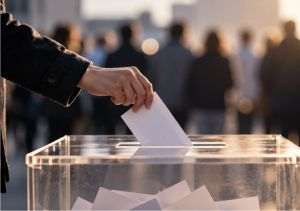
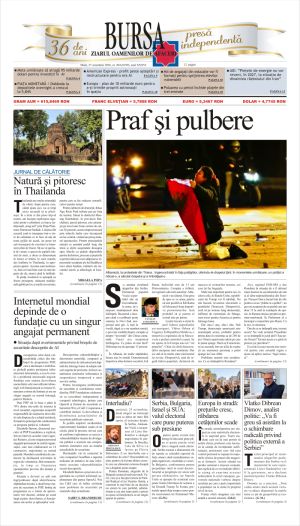
The true test of the outcome of Serbia's parliamentary elections will come when representatives of the "Students' List" take office, political analyst Vlatko Dibrean Dimov told the newspaper BURSA.
He noted:
"We will then see whether this victory provides answers to major questions regarding geopolitics and a potential reorientation. Only then will we know if Serbia will pivot toward the European Union, or if this is merely an internal shift in power with the country remaining aligned with its existing partners: the Russian Federation and China. For now, it is too early to speculate on what this transfer of power might entail. I believe it will be difficult to witness a radical change or a sharp turn in Serbia's foreign policy. Consider the example of Macedonia, which began its path toward the European Union over 20 years ago yet has still not joined, largely because the influence of the Russian Federation remains strong throughout the Balkans."
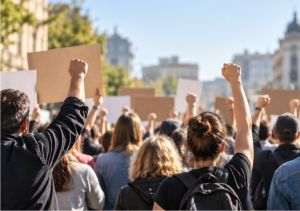
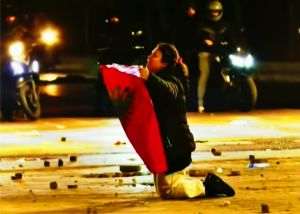
Regarding the fact that the "Students' List" emerged from anti-corruption protests, sparked by young people following the tragic incident on November 1, 2024, at the Novi Sad railway station, where a canopy collapse claimed 16 lives and left one person seriously injured, Mr. Dimov remarked that this serves as a prime example of how elections are lost when the will of the citizens is ignored or worse, when authorities respond to protests with violent repression. "I would say that when you violently suppress legitimate protests, the mechanisms of a street movement begin to take effect; for those in power, there is a risk, should the situation drag on, that the pressure could develop uncontrollable elements, potentially leading to an election defeat. The conflict between young people in civil society and the central authorities in Belgrade became clear following the tragedy in Novi Sad," Vlatko Dibrean Dimov told us.
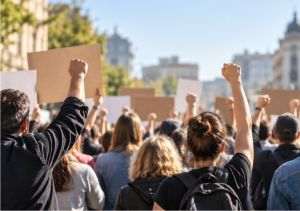
Drawing on the events in Serbia, the political analyst also touched upon the protests currently unfolding in several European Union member states: "It is quite evident that a state of tension is spreading, as certain social strata are reaching a boiling point. These consist of marginalized social groups that lack a sufficient voice or whose voices go unheard at a time when their standard of living has declined due to price hikes fueled by the ongoing global energy crisis. Compounding these grievances is the fact that some states have failed to adequately manage illegal migration into the European Union. Furthermore, the lack of migrant integration creates anomalies that are brought to the surface by these violent protests, or in the lead-up to elections, such as the parliamentary elections in Spain on November 29th, or the presidential elections in France next spring." Vlatko Dibrean Dimov concluded by noting that Romania serves as an example similar to the situation described above, where certain social strata are dissatisfied, as the country has been facing the same types of issues since the elections in November 2024.














 Euro
 Dolar SUA
 Franc elveţian
 Liră sterlină
 Gram de aur



























Reader's Opinion