English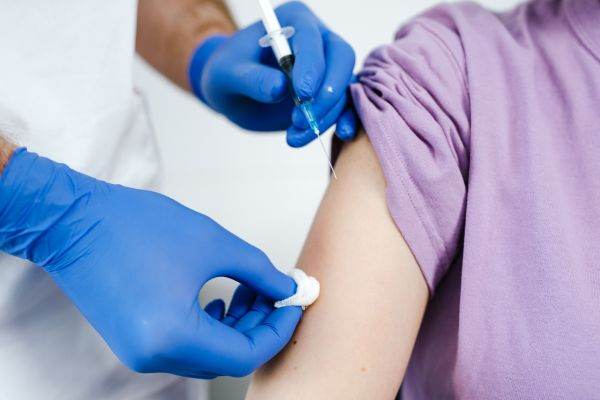
Childhood vaccination, which had made significant progress in Europe since 1980, has declined in several European Union member states following the COVID-19 pandemic. Romania is among the countries where vaccination coverage has dropped for all seven vaccines analyzed, according to a study published in the journal • The Lancet• and cited by AFP.
The research analyzed vaccination levels for seven categories of childhood vaccines across the 27 EU member states between 1980 and 2024. The authors used data provided by the World Health Organization (WHO) and UNICEF. The vaccines analyzed target diphtheria, tetanus, and pertussis (whooping cough); hepatitis B; meningitis B; polio; pneumococcal infections; as well as measles and rubella. According to the researchers, the analysis presents a "complex picture." On one hand, the European Union has achieved "historically high" childhood vaccination rates following substantial growth over approximately four decades. However, trends varied from country to country. In 2024, Luxembourg and Portugal recorded coverage of at least 95% for all seven vaccines analyzed. In Romania, the coverage rate stood below 80%.
• Romania among states seeing a decline across all analyzed vaccines
The study highlights a "recent, worrying, and widespread deterioration" in childhood vaccination that has emerged in recent years following the onset of the COVID-19 pandemic. In total, 16 EU countries recorded declines in vaccination rates for at least four vaccines. Bulgaria, Cyprus, Ireland, the Netherlands, Romania, and Sweden are among the states where vaccine coverage dropped for all seven vaccines analyzed. In Germany and Spain, a decline was observed for five of the seven vaccines. In France and Italy, vaccine coverage increased for four vaccines and decreased for three others.
• Polio and meningitis B among vaccines with the sharpest declines
The most pronounced recent declines were observed for meningitis B and polio vaccines, with vaccination rates falling in 20 countries. These were followed by the hepatitis B vaccine - declining in 18 states - and vaccines against diphtheria, tetanus, and pertussis (whooping cough), for which coverage dropped in 17 countries. Trends were relatively less unfavorable regarding measles and rubella vaccination. Most declines began between 2019 and 2022, a period coinciding with the COVID-19 pandemic and the disruptions it caused to healthcare systems. The study's authors believe the pandemic may have contributed to the deterioration of vaccination rates, though they note that the research did not aim to establish the exact reasons for the observed trends. They emphasize the "urgency" of ensuring high and sustainable vaccine coverage to prevent the resurgence of infectious diseases.
According to the study, vaccinations administered over the past 50 years have reduced the burden of diseases such as tetanus, pertussis, pneumonia, measles, influenza, and diphtheria. Globally, immunization has helped avert over 154 million deaths, particularly among children.

























 Euro
Euro Dolar SUA
 Franc elveţian
 Liră sterlină
 Gram de aur