English

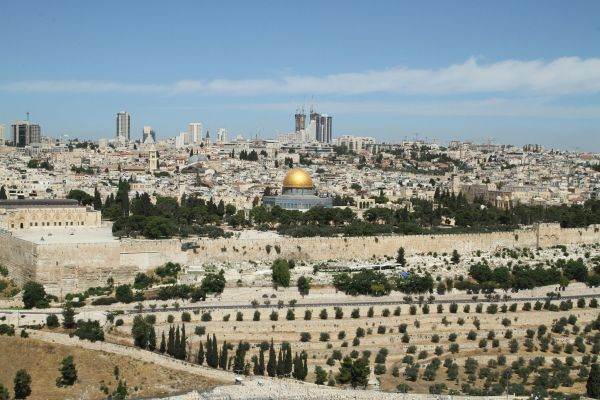
This year's Easter celebrations, in one of Christianity's most sacred places, will take place with limited access amid ongoing security tensions in the region. The decision follows an incident that sparked international reactions and brought the issue of religious freedom in Jerusalem back into focus, AFP reports. Cardinal Pierbattista Pizzaballa announced that Holy Week liturgies will be held inside the Church of the Holy Sepulchre, behind closed doors and with only a limited number of worshippers allowed to attend. The decision comes just days after the cardinal was denied access to the church by Israeli police during Palm Sunday services, citing restrictions on public gatherings in the context of the ongoing conflict with Iran.
International reactions and authorities' response
The incident drew criticism from several European capitals, including Rome. Following diplomatic pressure, Israeli Prime Minister Benjamin Netanyahu announced that the patriarch would be granted "full and immediate access” to the church. However, religious authorities have decided to maintain a restrictive regime for Easter celebrations on security grounds.
Online broadcasts and limited participation
To compensate for the restrictions, the Church announced that all ceremonies will be broadcast live, allowing believers around the world to participate virtually. According to the patriarch, the measure is exceptional, adapted to the current context, and does not reflect a change in principle regarding access to holy sites.
The Church of the Holy Sepulchre is considered, according to Christian tradition, the site of the crucifixion, burial, and resurrection of Jesus Christ, making it one of the most important pilgrimage centers in the world. Restricting access to this space during Easter carries strong symbolic and emotional significance for the faithful. The Custos of the Holy Land, Francesco Ielpo, described the incident as a "painful episode” for Christians worldwide, but stressed that it should lead to strengthening respect for freedom of worship.
He called for the fair application of rules across all holy sites in Jerusalem, including the Western Wall and the Al-Aqsa Mosque, where access is also restricted. "Mutual respect is the foundation of genuine coexistence and of protecting these places that belong to all humanity,” he said.
Security tensions and impact on religious life
The situation reflects the direct impact of regional conflicts on religious life and access to holy sites in a city that represents a point of convergence for three major religions. Although authorities have attempted to ease tensions through dialogue, the decision to limit access to Easter services highlights the fragility of the balance between security and religious freedom.
















 Euro
Euro Dolar SUA
 Franc elveţian
 Liră sterlină
 Gram de aur