English

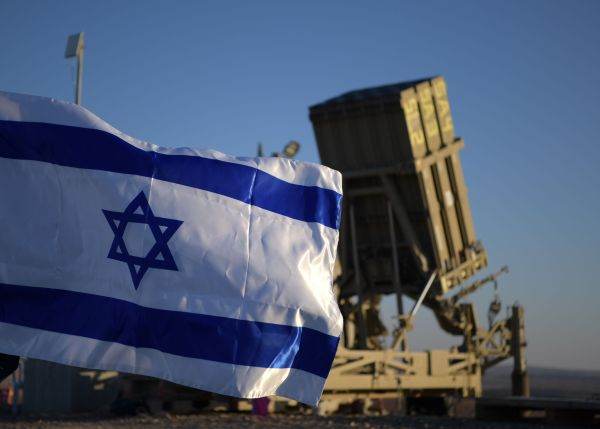
Following the outbreak of war in the Middle East, Gulf states began to urgently seek technologies capable of protecting civilian and economic infrastructure from missile and drone attacks, and the most important actor in the area in this field is Israel, according to an article published late last week by the economic news website Calcalist.
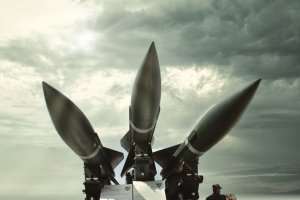
The cited source states that the experience accumulated by the Israeli defense industry in decades of confrontations and in the development of missile defense systems makes it an extremely attractive supplier for states that, until yesterday, did not need such technologies on a large scale. Systems such as Arrow, David's Sling or Iron Dome have become landmarks of multilayer defense, and companies such as Israel Aerospace Industries, Rafael or Elbit Systems are already involved in billion-dollar contracts.
According to Calcalist journalists, the collaboration between the Israeli defense industry and the Gulf states has already begun, as in recent years the Tel Aviv government has sold the United Arab Emirates air defense systems such as the Barak MX, capable of intercepting drones, missiles and aircraft at a range of up to 150 kilometers, in a deal estimated at almost $600 million. Rafael has also delivered the Spyder system, based on the Python 5 and Derby air-to-air missiles. Even with these systems, the intensity of recent attacks has raised fears that the interceptor stocks of some Gulf states could be quickly depleted if the pace of launches continues, a reality that is creating huge pressure for additional purchases and for expanding defense capabilities, according to the cited source. At the same time, the demand is not limited to interceptor systems. Israeli experts, consulted by the cited source, argue that the Gulf states need a complete defense ecosystem: early warning technologies, integrated radar and sensor systems, civil protection doctrines, shelter infrastructure and emergency management plans. In many of these countries, there is not even a culture of the population to react to air strikes, which, for Israelis, has been an everyday reality for decades. The difference between the Israeli experience and the vulnerability of the Gulf thus becomes a major economic argument.
After the Abraham Accords of 2020, which normalized relations between Israel and several Arab states, Israeli arms exports to these countries increased spectacularly. The cited source states that if in 2023 only about 3% of Israeli military exports went to these markets, a year later the share had reached 12%, and the total value of Israel's military exports had reached a record of about 14.8 billion dollars. Industry experts estimate that the final figures for 2025 could show even greater growth, amid global geopolitical tensions.
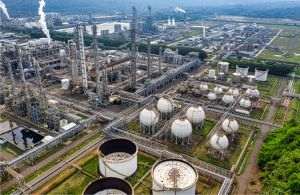
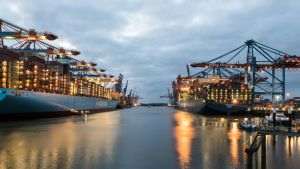
From the perspective of the Gulf economy, the pressure is enormous. Qatar, for example, concentrates almost its entire liquefied natural gas industry in the Ras Laffan industrial complex, responsible for about 20% of global LNG exports. Saudi Arabia exports millions of barrels of oil per day through Hormuz, and the United Arab Emirates depends on its role as a global hub for trade, tourism and investment. The even temporary closure of Dubai airport, which handled more than 95 million passengers last year, is a clear signal that war can directly affect the mechanisms of the global economy.
The source cited states that this economic pressure is pushing the Gulf states towards a simple strategic conclusion: infrastructure security is no longer just a military issue, but an economic one. If airports, ports, oil fields and smart cities cannot be protected from missiles and drones, the entire development model of the region becomes vulnerable. And in a market where real operational experience is the decisive criterion, Israel appears as one of the most credible suppliers. The combination of advanced technology, experience in integrating interception systems and the ability to quickly provide solutions transforms the Israeli defense industry into a partner for the Gulf states.
















 Euro
Euro Dolar SUA
 Franc elveţian
 Liră sterlină
 Gram de aur