English

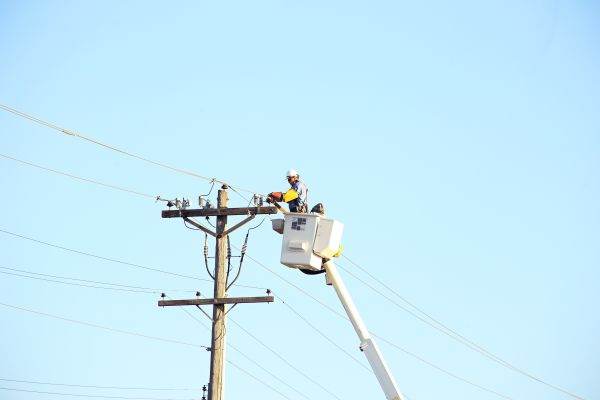
The Turkish presidency of the UN Climate Change Conference (COP31) has launched an initiative calling on countries to support, on a voluntary basis, increasing the share of electricity in global final energy consumption from just over 20% currently to 35% by 2035, AFP reports. The proposal was presented in Bonn, the headquarters of the United Nations Framework Convention on Climate Change (UNFCCC), about five months ahead of COP31, scheduled to take place in Antalya from November 9 to 20.
• Voluntary commitment, not binding target
According to the Turkish presidency of COP31, the target for expanding the use of electricity is part of a set of voluntary commitments, to which states will be able to adhere depending on their own energy strategies. The initiative is thus differentiated from the binding targets negotiated at climate conferences, which require the consensus of the nearly 200 signatory states of the UN Convention on Climate Change. The proposal reflects the increasing difficulties in obtaining new firm commitments to reduce the use of fossil fuels, amid concerns about energy security and geopolitical tensions in the Middle East.
• Electrification, seen as a solution for energy security
COP31 President Murat Kurum said, according to a statement quoted by AFP, that expanding the use of electricity in transport, buildings and industry can reduce the exposure of the population and companies to the volatility of energy markets. "By electrifying everyday life, from transportation to construction and industry, we can protect families and businesses from volatile energy markets,” the Turkish official said. He said that promoting electrification would be one of the top priorities of the Turkish presidency of COP31.
• Australia: electrification also contributes to reducing fossil fuel consumption
According to AFP, Australia and Turkey are sharing the responsibilities of organizing and leading the climate conference for the first time. Chris Bowen, the Australian minister who will chair the COP31 negotiations, said in Bonn that electrification offers a double advantage: strengthening energy security and reducing dependence on fossil fuels.
"Electrification allows us to achieve two objectives with a single measure,” the Australian official explained.
• Experts warn that electrification must be accompanied by decarbonization of energy production
Alden Meyer, an expert at the E3G think tank, believes that setting goals is important, but success depends on how they are implemented.
According to him, the increase in electricity consumption must be accompanied by the gradual elimination of fossil fuels from energy production. "We need to develop electrification and eliminate fossil fuels from the electricity system at the same time. If we electrify and increase coal consumption, then what is the point?”, the expert warned.
• Change of emphasis in climate negotiations
Turkey's initiative highlights a change of emphasis in international climate negotiations, in which concerns about energy security and independence from oil and gas imports are gaining ground over strict commitments to abandon fossil fuels. Electrification of transport, buildings and industrial processes is considered one of the main ways to reduce greenhouse gas emissions, but the effectiveness of this strategy depends on the expansion of low-carbon energy sources, such as solar, wind, hydropower and nuclear power.























 Euro
Euro Dolar SUA
 Franc elveţian
 Liră sterlină
 Gram de aur