English


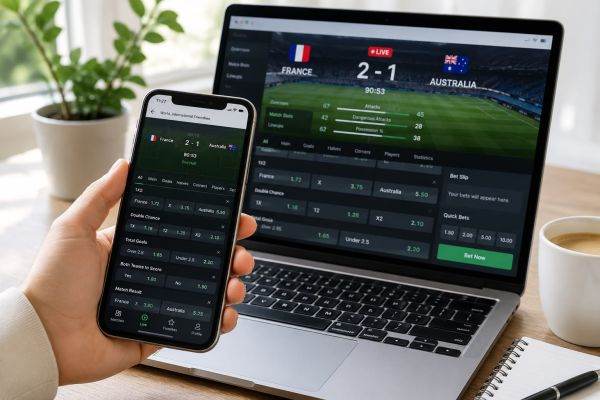
The Council of Europe has identified several anomalies during the 2026 World Cup, opening an investigation into possible cases of manipulation related to sports betting. While FIFA claims it has not found evidence of match-fixing, seven "yellow alerts” reported by the Copenhagen Group have caught the attention of authorities, according to Le Figaro.
• Seven alerts analysed by the Copenhagen Group
According to a report by the Copenhagen Group, an international network operating under the Council of Europe's Macolin Convention on combating the manipulation of sports competitions, seven "yellow alerts” were identified during the tournament.
The information, initially published by The Athletic and later confirmed in a summary by the Council of Europe, does not constitute evidence of match-fixing, but indicates situations considered unusual enough to warrant further investigation.
The Copenhagen Group's system classifies reports into four categories - green, yellow, orange and red. A yellow alert indicates that there are indications of possible anomalies, such as unexplained fluctuations in odds, rumours or information that could have influenced betting markets.
• Themba Zwane's red card and other cases reviewed
Among the incidents reviewed is Themba Zwane's red card in the 84th minute of the opening match between South Africa and Mexico. The South African captain's sending-off was included in the list of incidents requiring further investigation, with no conclusions yet on whether manipulation was involved. The report also examines the activities of the prediction platform Polymarket. According to The Athletic, almost $4.8 million in cryptocurrency was bet on Spain not beating Cape Verde in the group stage. Although the scenario seemed unlikely before the match, the match ended in a 0-0 draw. Another case under review concerns Ferran Torres' goal against Saudi Arabia, which was overturned after a VAR review that lasted more than three and a half minutes. Although there is no evidence of any manipulation, the incident was included among the situations that generated an alert in the monitoring system.
The report also mentions the case of American striker Folarin Balogun. After his dismissal in the match against Bosnia and Herzegovina, Polymarket opened a betting market on the player's possibility of playing against Belgium before FIFA officially confirmed the suspension. The Copenhagen group noted that such a price was not created for any of the other 14 players sent off during the competition and requested a written explanation from FIFA.
• FIFA: No indications of match-fixing
The international football federation claims that it has not identified any irregularities. In its Integrity Task Force report, FIFA said it had found no "suspicious betting-related activity or indications of match-fixing” in the 104 matches played at the tournament. Gambling regulator Christian Kalb told The Athletic that a warning is not in itself evidence of corruption. He said unusual movements in betting markets could be caused by hedging or significant speculative moves, without the outcome of the matches having been influenced.
However, the emergence of seven warnings in a single World Cup is considered unusual enough to warrant an investigation. The investigation will need to determine whether these signals simply reflect atypical behaviour in betting markets or whether they are a cover-up of attempts to manipulate the competition. So far, no match at the 2026 World Cup has been officially declared rigged.






















 Euro
Euro Dolar SUA
 Franc elveţian
 Liră sterlină
 Gram de aur