English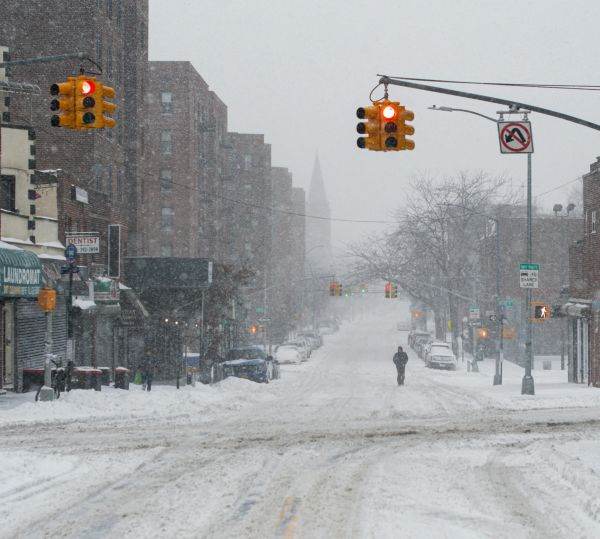
An exceptionally strong snowstorm hit the northeastern United States, affecting more than 40 million inhabitants, from the state of Maryland to Maine. The weather phenomenon caused major disruptions in transport, massive power outages and severe traffic restrictions, according to the AFP agency. Authorities warned that the situation remains critical, and heavy snowfall and strong winds could continue to create problems in the coming days.
• New York, almost paralyzed by snow
In New York, the snow layer exceeded 38 centimeters on Long Island, and in neighborhoods such as Manhattan and Brooklyn accumulated between 23 and 28 centimeters since the early hours of Monday morning. The city's mayor, Zohran Mamdani, warned that the metropolis had not experienced a storm of such magnitude in the last decade. Local authorities have banned non-essential vehicles from streets, highways and bridges, urging people to stay indoors.
• Massive power outages and state of emergency
According to the PowerOutage platform, more than 280,000 households in the region were left without electricity, with the states of New Jersey and Delaware being the worst affected.
A state of emergency has been declared in several states, including Massachusetts, Pennsylvania and Rhode Island. Public transportation was severely affected, and rail service was suspended in New Jersey.
• Air transportation and public institutions closed
The storm has led to the cancellation of more than 8,700 flights since Sunday, according to FlightAware. Airports in New York, Boston, Newark and Philadelphia were the most affected. The United Nations headquarters in Manhattan was also closed, and all scheduled meetings were postponed.
New York Governor Kathy Hochul warned that the storm would intensify, with snowfall totals of up to 24 inches (60 cm) and wind gusts of up to 50 mph (80 km/h). Some areas are also at risk of flooding due to the combination of heavy rainfall and subsequent snowmelt.
• Major social and economic impact
The storm is the second major weather crisis this winter for New York City, following a cold snap in January that killed at least 18 people in the city and more than 100 nationwide. The restrictions have angered employees who can't work remotely, but have also drawn tourists eager to see the spectacular scenery.



























 Euro
Euro Dolar SUA
 Franc elveţian
 Liră sterlină
 Gram de aur