English


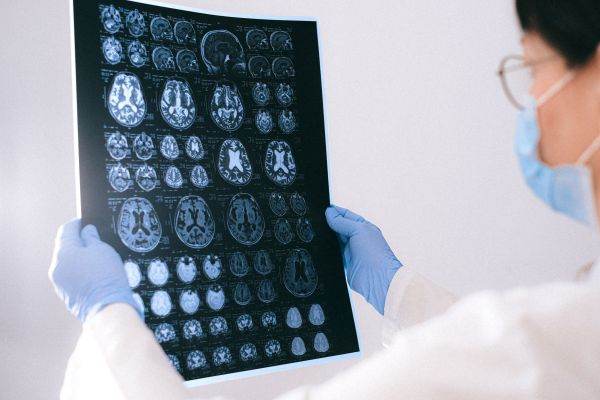
A team of researchers in Australia has identified a potential new direction for the treatment of Alzheimer's disease. Laboratory experiments have shown that a copper-based compound, capable of reaching the brain, significantly reduces the accumulation of toxic proteins associated with the disease and improves long-term spatial memory, according to Xinhua news agency. The compound, called Cu(ATSM), crosses the blood-brain barrier and helps repair an essential mechanism for eliminating waste from the brain. The research results open new perspectives for treating neurovascular dysfunctions associated with Alzheimer's disease and other forms of dementia, the leading cause of death in Australia, according to a press release from Monash University.
• How toxic proteins accumulate
Normally, the brain eliminates residual proteins through P-glycoprotein (P-gp) pumps, located at the blood-brain barrier. In Alzheimer's disease, this system breaks down, and beta-amyloid proteins build up and impair brain function. The study, published in the journal ACS Chemical Neuroscience, suggests that biometal-based therapies such as Cu(ATSM) could combat both brain blood vessel damage and memory loss.
• Promising results in trials
Jae Pyun, a researcher at the Monash Institute of Pharmaceutical Sciences and one of the study's lead authors, explained that the treatment had positive effects on the brain's blood vessels, reducing levels of the toxic proteins and providing cognitive benefits.
According to the research, the administration of Cu(ATSM) led to a 24.1% increase in P-glycoprotein levels in an experimental model of Alzheimer's, which favored the elimination of harmful proteins. "By improving the functioning of these pumps, the brain can finally eliminate accumulated waste. Over 56 days, the treatment reduced the level of toxic beta-amyloid by 42% and improved spatial learning capacity by almost 44%," said Jae Pyun.
• An important advantage: the drug has already been tested in humans
Professor Joseph Nicolazzo, co-author of the study, emphasized that Cu(ATSM) is a compound with anti-inflammatory and neuroprotective properties, which has already been evaluated in clinical trials for Parkinson's disease and amyotrophic lateral sclerosis (ALS). This aspect could accelerate the transition to clinical trials dedicated to Alzheimer's disease, shortening the process required to develop a treatment for patients.




















 Euro
Euro Dolar SUA
 Franc elveţian
 Liră sterlină
 Gram de aur