English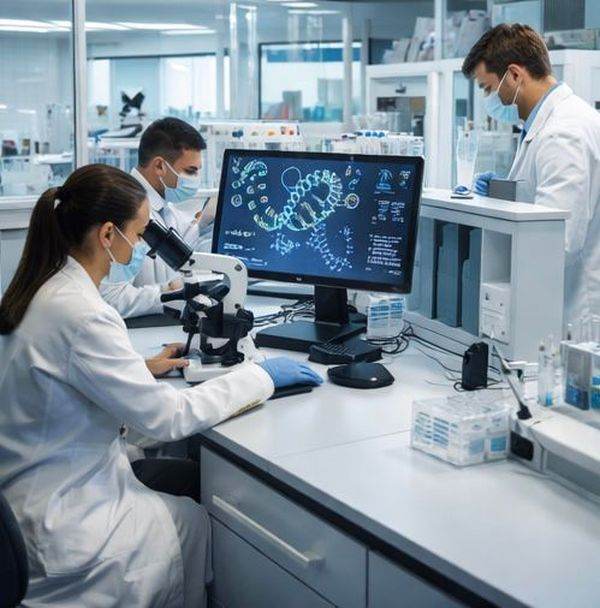
Our country is consolidating its medical infrastructure dedicated to patients with rare diseases, after the Ministry of Health approved the certification of seven new centers of expertise. Thus, the total number of units officially recognized at national level has reached 58, announced Minister Alexandru Rogobete. According to the official, the expansion of the network represents an important step for improving access to diagnosis and treatment in the case of complex pathologies, which require multidisciplinary approaches. The new accredited medical structures are located in hospitals and institutes in Bucharest, Iaşi and Timişoara: "Sfânta Maria' Children's Emergency Clinical Hospital - Regional Center for Medical Genetics, for rare neuromuscular diseases; "Sf. Maria' Clinical Hospital - Rheumatology Department, for autoimmune and autoinflammatory diseases; Fundeni Clinical Institute - Neurology Departments, for rare neurological conditions; Children's Clinical Hospital "Dr. Victor Gomoiu' - pediatric gastroenterology in rare diseases; ONCOHELP - for oncopredisposing syndromes; "Marius Nasta' Institute of Pneumophthisiology - for rare respiratory diseases; another structure within the "Sfânta Maria" Hospital in Iaşi - for pediatric vascular anomalies. Each of these centers has undergone a rigorous evaluation process, based on criteria regarding professional competence, infrastructure, clinical activity and capacity for collaboration in the network.
• Impact for patients and the medical system
According to the Ministry of Health, the expansion of the network will have direct effects on the medical path of patients: faster diagnosis; better access to specialized therapies; more efficient coordination between specialties; uniform standards of care. "Rare diseases mean complex cases, which cannot be managed in a fragmented manner. They need validated centers, dedicated teams and clear responsibility at each stage of care", the minister emphasized.
• Integration into European networks
The authorities aim for these centers to operate in an integrated manner, in connection with national programs and European mechanisms dedicated to rare diseases. The stated objective is for each patient to reach evaluation, diagnosis and treatment more quickly, given that many of these pathologies are difficult to detect and require highly specialized expertise.
















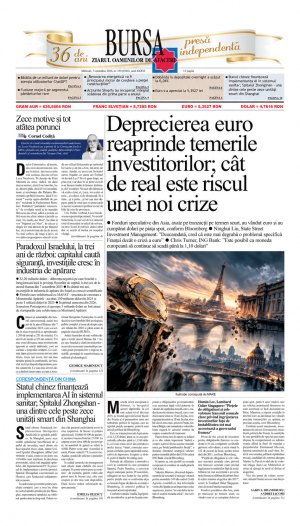






 Euro
Euro Dolar SUA
 Franc elveţian
 Liră sterlină
 Gram de aur