English


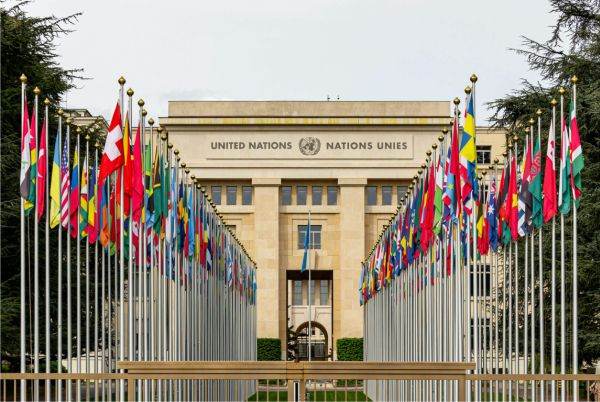
The UN has adopted a resolution considered essential for strengthening the climate obligations of states, in an international context in which more and more governments put economic and security interests at the forefront, AFP reports.
The text, initially supported by the small island state of Vanuatu, was adopted with 141 votes in favor, eight against and 28 abstentions. Among the states that voted against are the US, Israel, Iran, Russia and Saudi Arabia.
• Vanuatu: "The damage is real and already present"
Before the vote, Vanuatu's ambassador to the UN, Odo Tevi, defended the need to adopt the resolution, warning of the already devastating effects of climate change. "We know that some would prefer this Assembly to say less or say nothing," the diplomat said. He stressed that the damage caused by climate change is already affecting low-lying islands and coastal regions, drought-stricken communities and populations losing their homes, incomes and culture to extreme weather events.
• A major step after the International Court of Justice's opinion
The resolution comes after a landmark event in 2024, when the UN General Assembly requested the International Court of Justice for an advisory opinion on the responsibility of states to comply with climate obligations. The ICJ's opinion last summer was seen as a major victory for environmental activists. The court ruled that states that violate their climate obligations can commit an "illegal” act and opened the possibility of "reparations” for countries affected by climate change. Although the opinion is not binding, it could influence decisions in courts around the world and serve as a legal basis for future climate litigation.
• Concessions made to big polluters
The final text adopted on Wednesday is the result of difficult negotiations and several compromises. According to AFP, many major greenhouse gas emitting states have exerted pressure to soften the wording considered too restrictive. In recent years, the global climate agenda has become increasingly difficult to sustain in the face of priorities related to security, armed conflicts, economic crises and industrial competition. However, supporters of the resolution believe that the document represents an important step in strengthening the international legal framework on the climate responsibility of states.
• Pressure on states will increase
The adoption of the resolution could have important consequences in the coming years, including by increasing pressure on governments and companies to reduce carbon emissions and to support vulnerable countries. Small Pacific island states such as Vanuatu are among the most exposed to the effects of global warming, including rising sea levels, extreme storms and coastal erosion, although their contribution to global emissions is minimal. For these states, legal recognition of climate responsibility is not just a diplomatic victory, but also a matter of survival.


























 Euro
Euro Dolar SUA
 Franc elveţian
 Liră sterlină
 Gram de aur