English

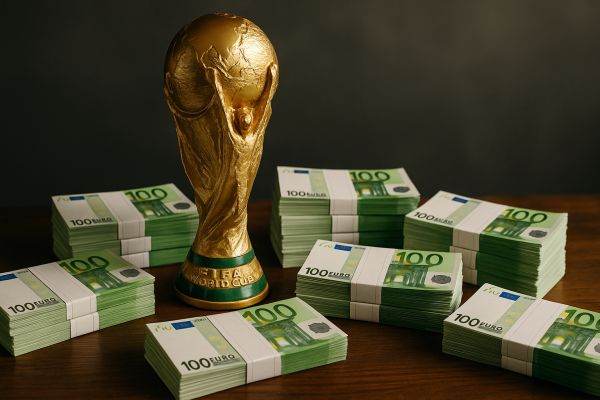
An investigation by the journalistic platform Follow the Money shows that FIFA is forcing clubs to pay arrears to Russian teams, even when international sanctions make payments legally impossible. Clubs such as West Ham, Atalanta, Udinese, FC Basel, PSV or Norwich have been given ultimatums: pay within 45 days or risk transfer bans for three windows. After the annexation of Crimea and, especially, after the invasion of Ukraine in 2022, Russia has been subjected to a strict sanctions regime. Numerous Russian banks and companies have been isolated from the global financial system, and international transfers have become difficult or impossible to carry out. However, in its decisions over the past three years, FIFA has systematically asked European clubs to pay arrears to Russian teams, even if they risk violating the laws of their own countries.
• West Ham - CSKA Moscow case, symbol of legal conflict
In March 2023, West Ham United received an ultimatum from FIFA: pay the remaining 26 million euros for the transfer of Nikola Vla¹ić from CSKA Moscow, within 45 days. The club, its management and all the banks with which CSKA Moscow collaborated were on the UK sanctions lists. West Ham claimed that the payment would be illegal. FIFA replied that "a contract must be respected”. However, the London club won the appeal to the Court of Arbitration for Sport (CAS), which considered the payment "objectively impossible” and suspended the obligation until the sanctions were lifted. The Follow the Money investigation identified 13 cases analyzed by the FIFA Court of Football from 2022 to the present, all related to the impossibility of payments to or from Russia: 8 cases: European clubs that can no longer pay to Russia; 5 cases: Russian clubs that can no longer pay to Europe due to bank blockages. In all 13 cases, FIFA ruled in favor of continuing the payments. European clubs argue that they would be violating EU or British law if they made these payments. Experts warn that FIFA cannot force a breach of international sanctions. "The sanctions are binding on the clubs. FIFA cannot force them to break them,” explains Antoine Duval, a specialist in sports and European law. Even clubs that did business with Russian teams not on the sanctions lists, PSV, Norwich, had their payments blocked by their own banks. The banks refused the transactions not because of the law, but because of internal risk policies. Before FIFA, the clubs presented bank correspondence and supporting documents, but the world forum asked them for evidence that no legal route was possible. Russian clubs proposed alternatives: intermediaries, third-party accounts, unaffected banks, solutions that European clubs considered attempts to illegally circumvent the sanctions.
• Enormous pressure: most clubs caved in
Public documents show that only two clubs, West Ham and Djurgårdens (Sweden), managed to avoid sanctions. The rest paid, under threat of transfer bans. PSV confirmed that it had paid the remaining amount, avoiding a ban that could have compromised the season. Norwich City also confirmed the payment to FK Rostov. FIFA's decisions create an unprecedented dilemma: clubs are forced to choose between respecting international sanctions and risking severe sporting sanctions. While FIFA staunchly defends its rules on the execution of contracts, sports courts and experts warn that the world body could even end up being legally liable if it causes clubs to break the law.


















 Euro
Euro Dolar SUA
 Franc elveţian
 Liră sterlină
 Gram de aur