English

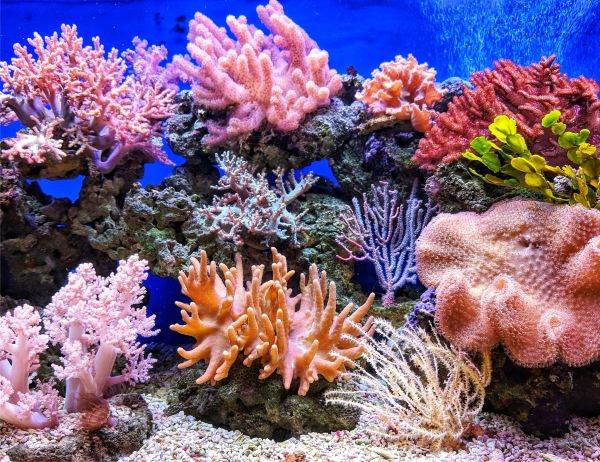
Climate change exposes nearly all shallow-water coral reefs to an extremely high risk of extinction by 2075, the International Union for Conservation of Nature (IUCN) warns. The first global assessment of its kind places 96% of these reefs in the "critically endangered" category, amid warming oceans and increasingly frequent bleaching events. Almost all of the world's shallow-water coral reefs face the risk of extinction by 2075, according to an assessment published by the International Union for Conservation of Nature (IUCN), as reported by AFP. The organization-a leading international authority on the assessment of threatened species and ecosystems-has classified 96% of the coral reefs analyzed, spread across more than 80 countries and territories, as "critically endangered"-the highest level of threat in its classification system. Coral reefs harbor approximately one-quarter of all marine species and are ecosystems exceptionally rich in biodiversity. The sensitivity of corals to high temperatures makes them vulnerable to ocean warming, which intensifies and increases the frequency of bleaching events, with severe consequences for their survival. "The risk of coral reef collapse is intensifying, but this should serve as a wake-up call rather than a source of despair," stated Mishal Gudka, scientific lead for coral ecosystem assessments for the IUCN Red List. He noted that some reefs have demonstrated a remarkable capacity for recovery following devastating bleaching events, even though the threat to certain vast, biodiversity-rich ecosystems remains significant.
Among the most vulnerable are Australia's Great Barrier Reef, the Coral Triangle in the western Pacific Ocean and Southeast Asia, the Mesoamerican Barrier Reef in the Caribbean Sea, and the reefs of the Red Sea.
• Ocean warming: the primary threat
The IUCN assessment analyzed 127 tropical and subtropical coral ecosystems, covering a total area of 188,362 square kilometers. The study was released during a meeting in Yerevan, Armenia, involving government representatives participating in the COP17 Biodiversity conference. Researchers used an intermediate climate scenario from the Intergovernmental Panel on Climate Change (IPCC), which projects a 2.7-degree Celsius increase in global temperatures above pre-industrial levels by 2100. Last week, the UN warned that current national commitments to reduce greenhouse gas emissions put the world on a warming trajectory of approximately 2.6 degrees Celsius over the course of this century. In addition to climate change, pollution, intensive fishing, and overtourism are contributing to the degradation of reefs. Nevertheless, the IUCN emphasizes that thermal stress caused by global warming represents the most persistent threat to corals worldwide. "It is not too late to give coral reefs a chance to recover, but this requires decisive action to combat climate change and limit ocean warming," stated Grethel Aguilar, Director General of the IUCN.
• A 50-year window for conservation and restoration
According to the organization's leadership, the coming decades represent a critical period for saving coral ecosystems. Necessary measures include ambitious emissions reductions, the expansion of protected areas, reef restoration, and sustained investment in coastal ecosystems and the communities that depend on them. This issue also lies at the heart of international negotiations on biodiversity. At COP17, nations are seeking to accelerate the implementation of the historic agreement adopted in 2022, which mandates the protection of 30% of the planet's land and marine areas by 2030. However, these goals are becoming increasingly difficult to achieve, as governments lag in translating their commitments into concrete action. A study published last week in the journal • Nature• revealed that, as of 2020, nearly half of all coral species faced a relatively high risk of extinction, with climate change identified as the primary driver of this decline.
New findings from the IUCN reinforce warnings regarding the vulnerability of reefs and underscore the need for urgent measures to limit global warming and safeguard marine biodiversity.
























 Euro
 Dolar SUA
 Franc elveţian
 Liră sterlină
 Gram de aur