English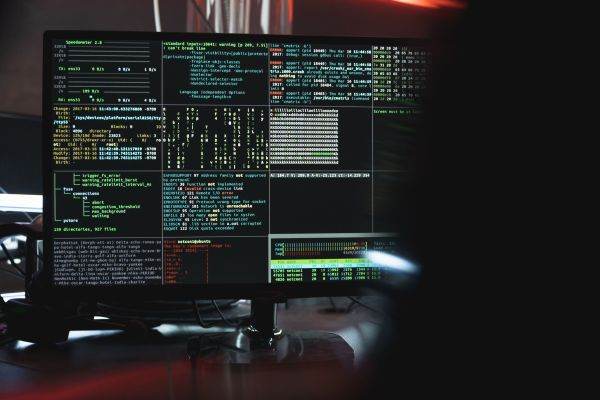
Liechtenstein, one of the world's richest and most important financial centers, has been the target of a massive cyberattack, which compromised the personal data of around 31,000 people, according to information released by the principality's government and reported by ZDFheute. The incident targeted the Beneficial Owners Register, a tool used by authorities to prevent and combat money laundering and terrorist financing.
The hackers reportedly managed to steal tens of thousands of records containing the names and other information about the people behind companies, foundations or trusts. Authorities have confirmed that the attack breached personal data protection, without providing details about the identity of the attackers, the method used or any requests they may have made.
The government in Vaduz has convened a crisis unit led by Prime Minister Brigitte Haas and Justice Minister Emanuel Schadler to investigate the incident and limit the consequences. The size of the breach is considerable for a state with only around 41,000 inhabitants: the number of people whose data was illegally accessed is equivalent to more than three quarters of the principality's population, even if some of those registered in the register could be foreign citizens.
The attack hits directly at one of the most sensitive points of Liechtenstein's economy. The small state located between Switzerland and Austria, with an area of only 160 square kilometers, is among the richest countries in the world in terms of gross domestic product per capita, and financial and banking services are one of its economic engines.
For decades, Liechtenstein has been associated with banking secrecy and with financial structures used by people from other European countries to hide their wealth and avoid tax obligations. However, the principality abolished banking secrecy in tax matters in 2017 and strengthened mechanisms for identifying the beneficial owners of companies and foundations. The very registry created to bring transparency to the opaque world of money and prevent money laundering has now become a huge source of information for attackers. The stolen data could expose the identity and financial interests of businessmen, investors and wealth managers, turning the incident into a threat that goes beyond the borders of the tiny principality. Authorities are trying to determine the exact extent of the damage and the risks to which the affected individuals are exposed, while the attack raises serious questions about the security of the digital infrastructure that protects sensitive financial information in Liechtenstein.























 Euro
Euro Dolar SUA
 Franc elveţian
 Liră sterlină
 Gram de aur