English

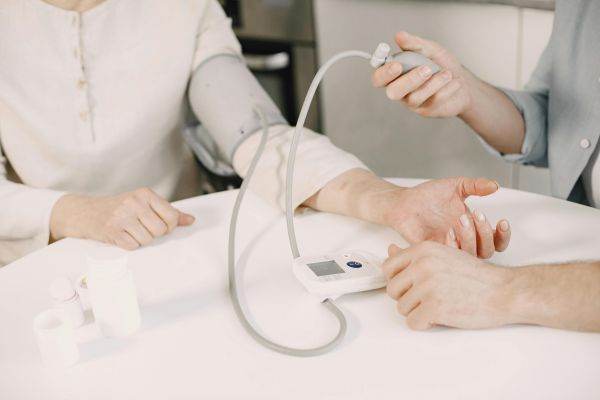
Romania is taking a decisive step towards modernizing services for patients in advanced stages of illness or in situations of severe vulnerability. The Ministry of Health announced on Monday that the National Palliative and Home Care Strategy will be accompanied by a concrete implementation plan, with measurable objectives, precise deadlines and visible results for patients.
Health Minister Alexandru Rogobete said that this initiative represents "a necessary step for people who need real support when life becomes fragile”. The meeting of the working group dedicated to the strategy marks the beginning of a deep reform process in one of the most sensitive areas of the healthcare system.
The strategy is being developed within the framework of an extensive partnership, which brings together specialists from hospitals, non-governmental organizations and public institutions with direct responsibility, as well as the specialized commissions of the Ministry of Health. Julie Ling, executive director of the European Palliative Care Association, one of the most respected voices in the field at European level, also participated in the discussions. Her participation offers Romania access to international experience and models of good practices already applied in consolidated medical systems in the EU. "Not just discussions, but visible changes. State institutions and civil society are building together, with a common objective,” emphasized Minister Rogobete.
• A paradigm shift in the care of vulnerable patients
The Ministry announces that the new strategy will not remain a theoretical document, but will include implementation mechanisms, progress indicators and clear stages. The focus is on:
increasing access to palliative services for patients with advanced chronic diseases;
expanding home care networks;professionalizing intervention teams and strengthening multidisciplinary collaboration; reducing territorial inequalities, especially in rural areas; increasing the quality and humanization of the medical act in end-of-life care. Currently, Romania is facing a major deficit of palliative services, both in medical units and at community level. Many patients depend exclusively on family or NGOs for adequate care, while access to specialized services remains limited. Minister Rogobete stressed that the way people are cared for in times of vulnerability "says everything about the maturity of a health system”. "Through this joint effort, we are laying the foundations for more accessible, more humane and closer to the reality of patients. With seriousness, empathy and responsibility, we are building a health system that really matters to people”, the minister said. The national program represents an official recognition of the urgent need to strengthen palliative and home care, a segment that has depended for too long on singular initiatives of NGOs or dedicated medical centers. By developing the strategy, Romania aligns its healthcare system with European standards, where palliative care is not a luxury, but an essential component of the right to health and dignity.





















 Euro
Euro Dolar SUA
 Franc elveţian
 Liră sterlină
 Gram de aur