English


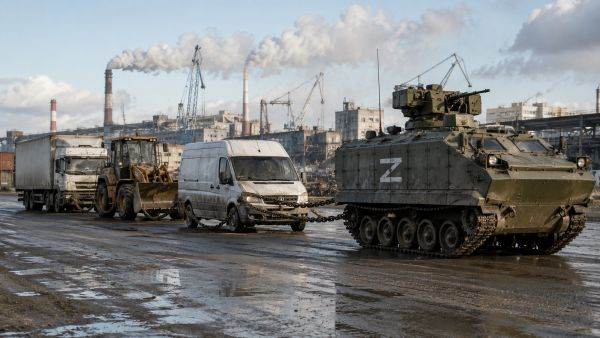
The Russian economy "freezes", said yesterday German Gref, the CEO of Sberbank - a Russian state-controlled bank that is targeted by Western sanctions due to the war in Ukraine -, while also calling for measures to support Russian companies, EFE reports, according to Agerpres.
"Today, in my opinion, this is already obvious", German Gref told reporters at the Eastern Economic Forum held in Vladivostok, Russia, adding: "There is always a game of words: what meanings do we give to certain definitions. The Central Bank talks about a gradual slowdown, but we describe the situation as a cooling, even hypothermia. The numbers speak for themselves".
The head of Sberbank drew attention to the "significant reduction in indicators that measure business confidence in the summer of 2026", as well as the levels of unemployment, consumption and gross fixed capital formation.
According to Gref, Russia's GDP growth in the first half of the year, which he estimated at 0.6%, is considerably lower than the potential expansion of the economy, estimated by the Central Bank of Russia at 1.5-2.5%. "All these factors indicate that, of course, we need to switch to a policy of supporting and stimulating growth, of increasing investment,” Gherman Gref said.
The Sberbank CEO also warned that there will be no turning point "until market interest rates normalize and stabilize in the range of 10-12%.
"Returning to these normal indicators is, in my opinion, the main task today in order to resume and stabilize economic growth. I think everyone should pay attention to macroeconomic conditions; companies need help,” Gref concluded.
Analysts believe that the dispute between Russia's economic leaders (such as the Central Bank of Moscow), who support a restrictive monetary policy to reduce inflation, and those who advocate a weaker ruble to improve the investment climate, such as Russian employers and Sberbank, the country's largest bank, will intensify next year.
Despite Western sanctions on the bank that Gref has led for nearly two decades, Sberbank last year posted a record net profit of 1.7 trillion rubles ($19.50 billion), and its CEO expects this year's net profit to be higher than in 2025 and reach a new record in 2027.
• Boris Titov: Russia's economy risks "going crazy”
The Russian economy risks "going crazy” if it focuses entirely on the needs of the military-industrial complex, the Russian president's special representative for relations with international organizations to achieve the Sustainable Development Goals, Boris Titov, said on Tuesday, quoted by RBC, as quoted by Reuters.
The statements are evidence of concerns in Kremlin circles about the growing pressure on a slowing economy to secure victory in the war in Ukraine.
Titov, appointed in 2024 as Putin's special representative, is a wealthy businessman who previously owned Russia's leading sparkling wine producer.
"The military and civilian economies have always existed in symbiosis everywhere. Many technical inventions that are useful to everyone came from the military-industrial complex. The key is to maintain balance,” Titov told RBC, Agerpres notes.
Russia has raised taxes, begun redistributing property, welcomed corporate contributions to finance the war and, most recently, threatened business owners who do not do enough to protect their facilities from Ukrainian drones.
War supporters and some Russian government officials have called for a reorganization of the economy along the Soviet model under dictator Joseph Stalin during World War II, citing the slogan of the time: "Everything for the front, everything for victory.” But this approach is facing cautious but growing resistance from various sectors.
"This is not an economy at all, it is a kind of "berserk mode' that can only exist for a very limited period of time and the necessity of which should be analyzed very carefully,” Titov said.
RBC, which conducted the interview, said the term "berserk” comes from Scandinavian mythology and refers to warriors who entered a trance state, possibly induced by drugs, that allowed them to fight ferociously and ignore pain.












 Euro
Euro Dolar SUA
 Franc elveţian
 Liră sterlină
 Gram de aur