English


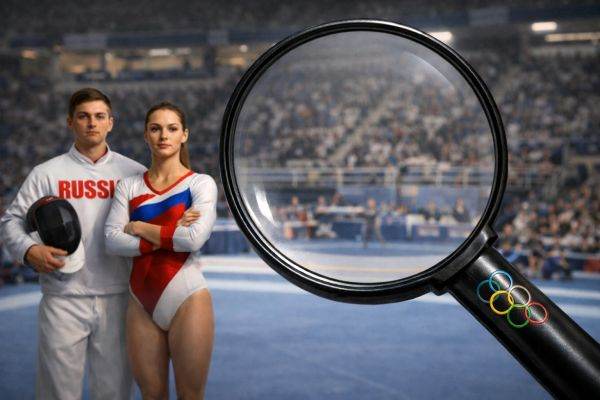
Ukrainian sports authorities have asked the International Olympic Committee to review the neutral status granted to some Russian athletes, alleging links to military structures and violations of Olympic rules, according to Reuters.
The International Olympic Committee's decision to allow limited participation by athletes from Russia and Belarus in international competitions, including the 2024 Paris Olympics and the 2026 Milan Winter Olympics, was conditional on strict criteria being met. These include the absence of any connection with the military and the lack of public support for Russia's invasion of Ukraine, which began in 2022.
• Kiev cites "systematic violations"
In an official appeal signed by Matvii Bidny and Vadym Guttsait, the Ukrainian side claims to have identified cases in which these rules were not respected. The document refers to "systematic violations" in some sports disciplines, including climbing, and in the work of the IFSC. Ukrainian authorities say they have provided evidence of direct links between certain athletes and the Russian military, as well as their participation in training or competitions in Crimea.
• Criticism of the involvement of military structures
The appeal also points to the organization of an international competition in Moscow last November, under the auspices of the International Military Sports Council, considered a violation of IOC recommendations. "This confirms the involvement of Russian military structures in the international sports movement," the document sent by Kiev states. In this context, Ukraine is calling for the suspension of the athletes concerned and a detailed analysis of the situation by the IOC and international federations.
• Challenged rules and divergent positions
The neutral status regime has been one of the most controversial decisions of the IOC since the outbreak of the conflict in Ukraine. While some sports federations have maintained strict restrictions, others have begun to relax them. The International Paralympic Committee recently allowed Russian and Belarusian athletes to compete with national symbols, including flags and anthems, a decision criticized by Ukraine and its allies. The case reflects the persistent tensions between the principles of sports neutrality and the geopolitical realities generated by the war in Ukraine.
The final decision of the IOC could have a significant impact on the participation of Russian athletes in future international competitions and on the unity of the Olympic movement.





















 Euro
Euro Dolar SUA
 Franc elveţian
 Liră sterlină
 Gram de aur