 English

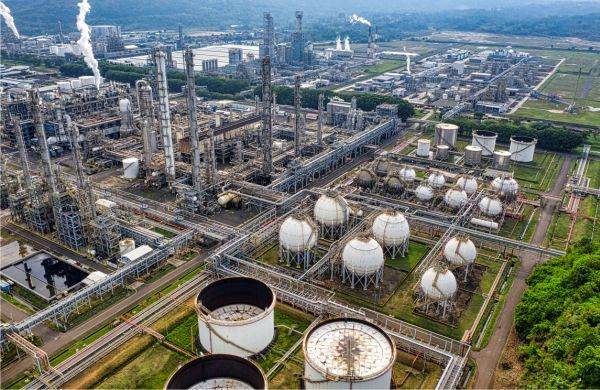
The United Nations Environment Programme (UNEP) warns that a lack of reliable data on methane emissions from the hydrocarbon industry hinders efforts to combat global warming. Meanwhile, the European Commission has proposed a one-year postponement of reporting obligations for hydrocarbon importers. Methane emissions associated with more than half of global oil and gas production are not measured in a credible manner-even though this gas contributes significantly to global warming-warns the United Nations Environment Programme (UNEP) in a report published last week and cited by AFP. Despite progress made in implementing measurement protocols, the world cannot avoid the most severe effects of global warming without the full participation of oil and gas producers in data collection, stated Martin Krause, director of the Climate Change Division at UNEP. Accurate and transparent monitoring of methane emissions is essential for combating global warming. This odorless and invisible gas has a much higher warming potential than carbon dioxide, making the identification and reduction of such emissions a key component of climate efforts. • Reporting covers only a portion of global production
The companies that contributed to the annual sector-wide methane emissions report-produced under the Oil and Gas Methane Partnership (OGMP 2.0) initiative-account for 43% of global oil and gas production. The initiative was established by the UNEP and the Climate and Clean Air Coalition, an international partnership dedicated to combating climate change and reducing air pollution. According to the report, 82% of the methane emissions reported by OGMP members originate from exploration and production activities. This share is significantly higher than that of emissions generated by gas networks or terminals, the document notes, as cited by AFP. The coverage of the reporting system varies considerably by region: in Europe, the OGMP encompasses 88% of oil and gas production, compared to 48% in North America and only 16% in Central Asia.
• Fossil fuel sector to account for 35% of anthropogenic emissions in 2025
In June, UN Secretary-General Antonio Guterres called for intensified efforts to reduce methane emissions. Approximately 60% of these emissions are attributed to human activity; agriculture is the primary source, followed by the energy sector, according to information reported by AFP. Data from the International Energy Agency (IEA) shows that the production of fossil fuels-oil, coal, and gas-generated approximately 124 million tonnes of methane in 2025, equivalent to 35% of emissions caused by human activity. Reducing these emissions depends both on accurate measurement and on the involvement of producers in reporting data and identifying sources of pollution.
• European Commission proposes delaying obligations for importers
In 2024, the European Union adopted legislation requiring companies that import hydrocarbons to report methane emissions associated with their supplies, starting in January 2027. However, the European Commission has proposed a one-year delay in the implementation of these provisions-an initiative that has drawn criticism from environmental organizations. According to information cited by AFP, both the United States and hydrocarbon-producing companies opposed the measure. A European diplomat dismissed the notion that the delay was driven by American pressure, stating that the objective was, rather, to avoid disrupting the hydrocarbon market at a time when energy prices are rising rapidly amid the war in the Middle East.
The dispute over the timeline for implementing European regulations highlights the tension between environmental goals and concerns regarding energy supply and price trends. In this context, UNEP emphasizes the need for credible data on emissions, without which assessing and reducing the industry's climate impact remains difficult.

























 Euro
Euro Dolar SUA
 Franc elveţian
 Liră sterlină
 Gram de aur































Reader's Opinion