English

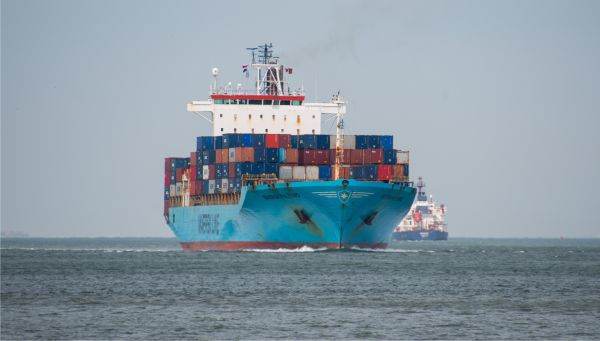
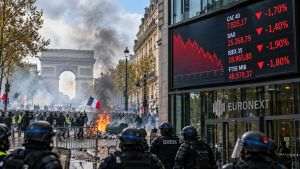
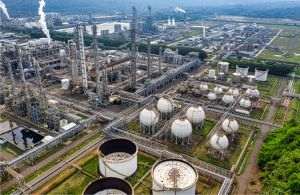
Iran's continued blockade of commercial shipping through the Strait of Hormuz is no longer just an energy crisis, but a systemic crack in the global economy, according to a set of articles published these days by The Guardian and ZeroHedge, which converge in a common warning: the world is treating as a temporary shock what could become a lasting rupture in global supply chains. If, according to The Guardian, we are already talking about the "largest energy shock in modern history", about a shortage of aviation fuel "within weeks" and about the risk of a global recession, ZeroHedge pushes the analysis towards the direct food consequence: about a third of the global trade in nitrogen fertilizers passes, in normal times, through Hormuz, and the current blockade could compromise the spring fertilization window in the northern hemisphere. According to the sources cited, the current crisis in the Middle East is not only raising energy prices, but also destroying food supply chains. The real stakes are the dangerous gap between the calm of the markets and the degradation of the economic infrastructure behind them. The Guardian observes this rupture almost clinically: ten weeks after the first US-Israeli attacks, stock indices, companies and governments have remained "surprisingly calm”, while warnings of an imminent supply crisis are multiplying. Europe is already feeling the rise in petrol and diesel prices, central banks are considering higher interest rates to control inflation, but supply chains still seem functional. Stocks have cushioned the impact, but stocks are not a strategy, but bought time. And as the Strait of Hormuz remains closed, oil, gas, metals, fertilizers, and chemicals are being depleted, while a return to normal could take months, even if the waterway were to reopen immediately. ZeroHedge describes the invisible but explosive side of the crisis: agriculture. If farmers miss the window to apply fertilizers, "no amount of recovery through delayed planting can make up for the loss.” The International Grains Council estimates that combined global wheat and coarse grain production could be 53 million tons below the previous season, a deficit larger than Ukraine's annual grain exports in a typical year, according to the source. The northern hemisphere's spring fertilization window runs until June, and in parts of Africa the main planting season is just beginning. This means that the naval blockade in Hormuz is turning into, through a delay effect, food price increases, compromised harvests and social pressure in the fall.
The impact is already projected on rice, a central food for global food security. The cited source warns that the world supply of rice is facing a "critical threat", amid reduced plantings in Asia, fertilizer shortages, high fuel costs and the El Niño effect. In the logic of the market, food does not disappear simultaneously for everyone: the rich buy more expensively, the poor remain without access. Therefore, the warning of the head of Yara International, Svein Tore Holsether, quoted by ZeroHedge, is major: the price increase and shortage of fertilizers could produce a de facto global auction, in which the most vulnerable countries, especially in Africa, "will struggle for supplies they cannot afford".
The crisis is also hitting Western consumers, even if they are not yet seeing empty shelves. The source cited claims that, in the United States, farmers will transfer higher fertilizer and fuel costs to food prices, and the data presented is worrying: 70% of American farmers cannot afford all the necessary fertilizers, agricultural diesel is 46% more expensive than at the end of February, and the area of wheat sown in the spring of 2026 is the smallest "since records began in 1919”. According to ZeroHedge, the double blow of fertilizers and fuel will force very difficult decisions in the agricultural sector.
To the gloomy picture above, the British daily The Guardian adds the industrial dimension: companies are gradually discovering that the vulnerabilities are not only in oil, but in levels three and four of the supply chains, where many companies do not even have real visibility. Lucid Motors representatives told the source that the war in the Middle East has "disrupted the supply of critical materials” and could lead to "substantial increases” in the prices of raw materials and components. They also said that the industry is "playing with fire” by betting on a quick resolution to the situation.
The real alarm is that the blockade of the Strait of Hormuz simultaneously compresses energy, food, industry, transport and confidence. It is not a linear crisis, but a cumulative one: first fuel prices increase, then fertilizers become more expensive, then sowings for agricultural crops are reduced, a phase followed by food prices rising, which will be reflected in reduced spending by consumers. All of these things are reflected in the reduction of production by companies and the impact on public budgets, which are forced to intervene with emergency policies. The fact that 60 states have introduced emergency energy policies in two months shows that the shock has already exceeded the regional incident phase, shows ZeroHedge, which specifies that, if Iran maintains the blockade, the current global economic situation will lead to the extrapolation of a chain of real dependencies.
Therefore, the continued blockade of commercial naval traffic through the Strait of Hormuz should not be read as a simple oil crisis, but as a stress test for globalization. The world has built low prices, synchronized production, intensive agriculture, and massive consumption on the assumption that critical sea lanes remain open. The current situation in the Strait of Hormuz shows how fragile this assumption is, and the greatest danger is not just the blockade itself, but the delay with which its effects become visible: when shelves empty, when airline tickets skyrocket, when food becomes inaccessible, when factories stop production lines, when interest rates rise and consumers run out of money, the solutions are already more expensive, slower, and more painful.






















 Euro
Euro Dolar SUA
 Franc elveţian
 Liră sterlină
 Gram de aur