English


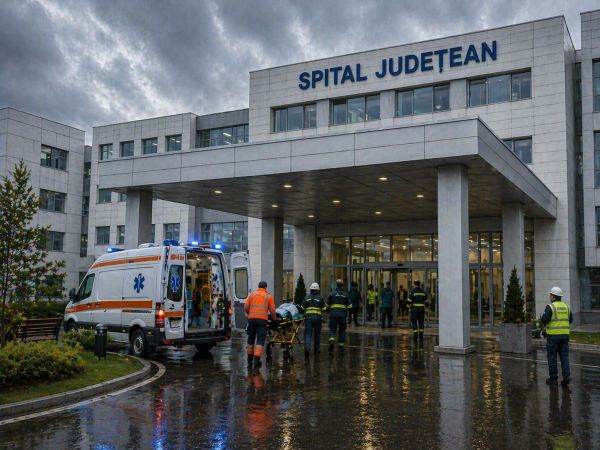
The OncoGen Center within the Timişoara County Hospital organized a workshop dedicated to assessing climate vulnerabilities and identifying adaptation solutions in the healthcare system. The event focused on how the medical unit can respond effectively in the event of extreme weather events affecting a large number of patients, inform the organizers. The initiative is part of the European Mountadapt project, funded by Horizon Europe, and represents a first step in strengthening the hospital's climate resilience.
• Partnership between doctors and authorities
The workshop was organized in collaboration with the Timiş Prefect Institution and with the support of the Timiş County Council, emphasizing the essential role of inter-institutional cooperation in managing climate risks. The hospital manager, Dr. Dorel Săndesc, highlighted the importance of involving the authorities in developing a coherent intervention plan: "The role of public authorities is essential in defining and refining the climate resilience plan and associated procedures.”
• Rambrose allergies - an increasingly serious problem
A central point of the discussions was the impact of climate change on health, especially the increase in allergy cases. Allergist Carmen Panaitescu drew attention to the severe effects of ragweed pollen, which affects more and more people in the months of August-September. "Patients end up in asthma attacks, with an acute feeling of shortness of breath, and the medical system must be prepared to intervene quickly,” she explained. The specialists stressed the need to implement an alert system similar to meteorological ones, which would announce periods with high pollen levels, as a preventive measure for the population.
• Need for a rapid alert and intervention system
Doctors and authorities agreed that prevention must become a priority, and informing the population plays a crucial role. In the absence of effective warning mechanisms, the number of severe cases risks increasing, putting pressure on emergency departments. "Just as we are notified when a storm or a heat wave is coming, there should also be warnings regarding pollen levels,” emphasized the participants at the event.
• A model of good practice at European level
The hospital representatives proposed the establishment of a permanent working group, made up of health specialists and representatives of the authorities, to analyze risk scenarios and establish intervention protocols for different situations generated by climate change. The aim is for these measures to become a model of good practice, not only at the local level, but also at the European level, in the context in which extreme climatic phenomena are becoming increasingly frequent.
• Health, on the front lines of the climate crisis
The event in Timişoara highlights an increasingly clear reality: health systems are directly affected by climate change and must adapt quickly. From heat waves and pollution, to increasingly aggressive seasonal allergens, hospitals are becoming critical points in managing these risks, and their preparation can make the difference between reaction and prevention.
















 Euro
Euro Dolar SUA
 Franc elveţian
 Liră sterlină
 Gram de aur