English

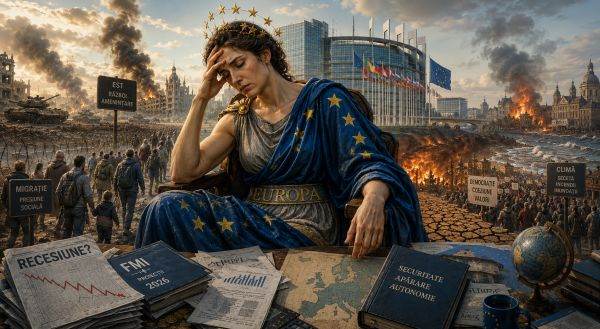
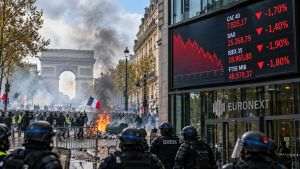
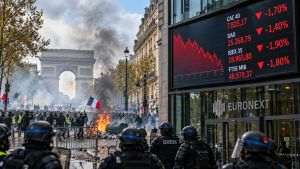
Europe is going through 2026 under the pressure of a "polycrisis", the overlapping of several threats that feed into each other, and analyses by the European Parliament, the World Economic Forum, the International Monetary Fund and the Eurasia Group show that the main fears concern security, the economy, migration, climate and artificial intelligence. Superimposed shocks define the beginning of 2026 in Europe. The continent is simultaneously confronted with security risks, economic stagnation, migratory pressures, environmental crises and technological vulnerabilities. It is precisely this accumulation of tensions that fuels the feeling of fragility that dominates the European space.
• The War in the East
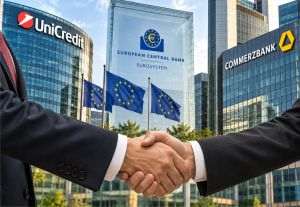
The greatest fear concerns the expansion of the war launched by Russia against Ukraine to other European states, especially to the Baltic countries and the eastern flank of NATO. At the same time, fears of a possible reduction in US support for European security are pushing the European Union towards massive investments in defence and strategic autonomy. Economic pressure is also fuelling European anxiety. Europe fears it is losing ground in competition with the US and China, as EU economic growth remains modest, while high energy costs, trade pressures and industry difficulties increase the risk of recession. The International Monetary Fund (IMF) estimates growth of around 1.3% for the European Union in 2026.
• Migration, climate and radicalisation
Migration remains another major source of tension. Migratory waves, fuelled by wars, poverty and climate change, are putting pressure on European societies. Nationalist and Eurosceptic parties are exploiting this issue and gaining ground in many countries. In this context, the major fear is the weakening of European cohesion and the erosion of democratic values through political polarization and the radicalization of public discourse.
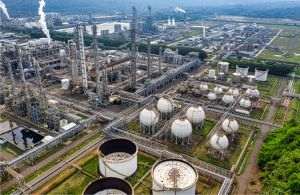
The climate crisis is also amplifying the continent's vulnerabilities. Drought, wildfires, floods and pressure on water resources are increasingly affecting Europe. Climate impacts are putting pressure on agriculture, public health, infrastructure and energy security. Experts describe climate as a "threat multiplier" because it exacerbates already existing economic and social tensions.
• Technology brings opportunities, but also risks
Artificial intelligence completes the list of major European fears. Although this technology offers important opportunities, concerns persist about job losses, disinformation, dependence on foreign platforms and automated cyberattacks. The International Monetary Fund warns that artificial intelligence tools can amplify the vulnerabilities of financial systems and critical infrastructures.
In this picture, Europe's deepest fear comes not from a single crisis, but from their combination. War, economic stagnation, migratory pressures, climate change and the technological revolution combine to create an unprecedented sense of vulnerability. The European Union's ability to respond coherently to these challenges will decide whether 2026 becomes a year of consolidation of the European project or of deepening internal fragmentation.



















 Euro
Euro Dolar SUA
 Franc elveţian
 Liră sterlină
 Gram de aur