 English


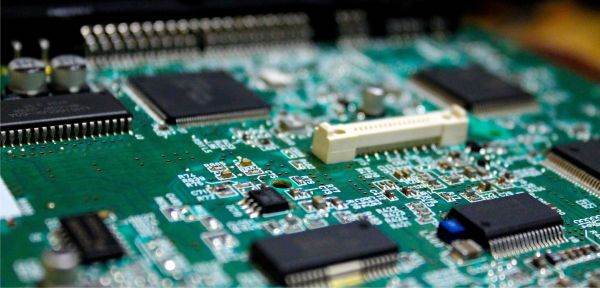
The market capitalization of South Korean memory chip maker SK Hynix surpassed the $1 trillion mark for the first time yesterday, amid a surge in global demand for memory chips related to Artificial Intelligence, AFP reports, according to Agerpres.
Shares of SK Hynix, the company that supplies memory chips to US technology giant Nvidia, rose by more than 11% yesterday afternoon on the Seoul Stock Exchange. In the past year, SK Hynix's share price has jumped by about 1,000%, while shares of electronics giant Samsung Electronics have gained about 500%. Samsung Electronics' market capitalization topped $1 trillion in early May, fueling frustration among its workers, who demanded a bigger share of profits from artificial intelligence and threatened to go on strike, a protest that was called off after the parties reached an agreement earlier this week. Samsung Electronics workers approved a deal with management that will see about 78,000 employees in the semiconductor division each eligible for a bonus of up to 290,000 euros this year, based on expected operating profit. A Samsung union has pointed out that SK Hynix employees last year received bonuses more than three times higher than those paid by Samsung at the time.
Analysts believe the hefty bonuses could discourage talented South Koreans from working abroad.
In addition, these large bonuses have significantly increased the social status of South Korean semiconductor engineers to the point that a simple vest with the SK Hynix logo was recently presented on social networks as a symbol of success, being parodied as a magic key to enter luxury boutiques.
• Profit up almost 400%
In April, SK Hynix reported a nearly 400% increase in its net profit in the first quarter of 2026, to a record level, thanks to the rise of artificial intelligence, alleviating concerns about the supply of crucial materials to the sector due to the war in the Middle East.
SK Hynix has now become one of three Asian companies with a capitalization of $ 1,000 billion, according to Bloomberg, along with Samsung Electronics and TSMC, the Taiwanese giant that dominates the production of the most sophisticated chips. As governments and global tech giants invest hundreds of billions of dollars in artificial intelligence-powered data centers, demand for the microprocessors used to manage the massive volumes of data in these infrastructures has exploded.



















 Euro
Euro Dolar SUA
 Franc elveţian
 Liră sterlină
 Gram de aur





























