English


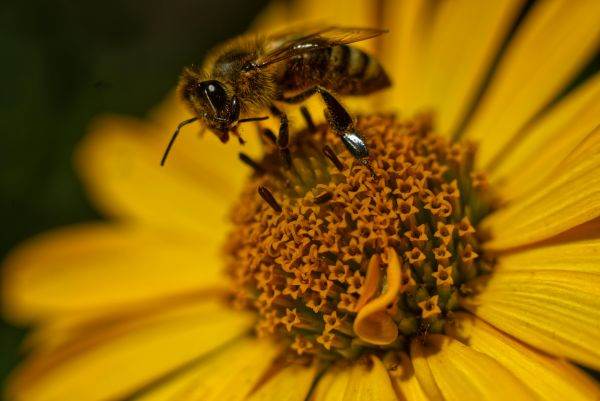
A study by Australian researchers shows that perfluorooctane sulfonate (PFOS), a substance in the category of so-called "eternal pollutants', can accumulate in bee colonies and contaminate honey, generating risks to pollinators, food security and, possibly, human health. The research was carried out by a team from the University of New England, which analyzed the effects of chronic, sublethal exposure to PFOS on European bee colonies, reports Xinhua news agency. According to the results, prolonged exposure to environmental levels of PFOS produced significant biological changes in bees: alteration of the expression of proteins essential for cellular function; accumulation of the substance in the tissues of the new generation of bees; reduction of the insects' body weight. The study's lead researcher, Carolyn Sonter, explained that lower body weight indicates smaller bees and underdeveloped glands, including the hypopharyngeal gland, which is responsible for producing royal jelly. This damage can compromise the development of future generations in the colony.
• Why PFOS is dangerous
PFOS is part of the family of per- and polyfluoroalkyl substances (PFAS), called "eternal pollutants” because: it persists extremely long in the environment; it does not degrade naturally; it accumulates in living organisms. In the past, PFOS was widely used in: fire-fighting foams; industrial products;
waterproof and non-stick materials. Bees can come into contact with this substance through: contaminated dust and water; pollen from polluted soils; crop protection products; hive paint.
• Impact on food security
Researchers warn that the effects are not limited to natural ecosystems. "Any threat to bees threatens food security,” the study authors emphasize. The decline of pollinators would have major consequences: reduced agricultural production; decreased food diversity; diminished nutritional value of the global diet. Many essential crops, including fruits, vegetables and berries, depend directly on pollination by bees.
• A global alarm signal
Specialists believe that the results of the study highlight an emerging problem: contamination of the food chain by persistent substances from the environment. In the context in which PFAS are increasingly detected in soil, water and living organisms, the research suggests the need for stricter monitoring and regulatory measures to protect both ecosystems and human health.

























 Euro
Euro Dolar SUA
 Franc elveţian
 Liră sterlină
 Gram de aur