English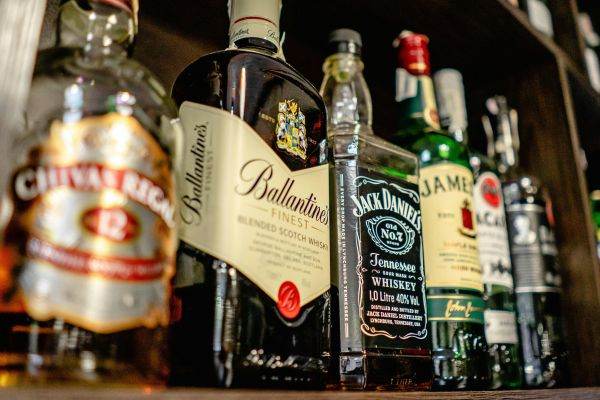
Alcohol consumption may activate biological mechanisms that cause people to consume more ultra-processed and salt-rich foods, thus contributing to excessive calorie intake and, implicitly, weight gain, according to a study conducted by researchers at the University of Sydney, cited by the Xinhua news agency. The results of the research, published in the scientific journal Obesity Reviews, indicate that alcohol causes an increase in the level of the hormone FGF21, associated with the appetite for protein and the preference for salty and umami tastes. According to the study authors, this biological mechanism may have evolutionary roots, being designed to direct the body towards protein sources such as meat. However, currently, the food industry widely uses artificial umami flavors in products that do not contain significant amounts of protein, which may mislead natural appetite-regulating mechanisms.
• Ultra-processed foods, "protein baits”
Researchers argue that many ultra-processed, salty foods can act as true "protein baits,” providing the body with sensory signals similar to those associated with protein-rich foods, but without providing the expected nutrients. As a result, people who consume such products may continue to eat in an attempt to satisfy their biological need for protein, ending up consuming higher amounts of fat, carbohydrates and calories. "The craving for a bag of chips with an alcoholic drink, for a pizza after a night out, or for French fries the next morning can be explained by the way alcohol alters appetite regulation mechanisms, especially for protein,” explained David Raubenheimer, the study's lead author and a researcher at the Charles Perkins Center.
• More salty snacks on alcohol days
Analysis of dietary data collected in Australia revealed that participants consumed higher amounts of salty products on days when they drank alcohol compared to days when they did not consume alcoholic beverages. The study authors believe that this phenomenon may explain, at least in part, the frequent association between alcohol consumption and weight gain observed in numerous epidemiological studies. To limit these effects, specialists recommend choosing sources of protein that are as little processed as possible, such as fish, seafood, legumes or other whole foods rich in protein.
According to Australian researchers, these options can help meet the body's protein needs and reduce the tendency to consume ultra-processed snacks in excess after drinking alcohol.























 Euro
Euro Dolar SUA
 Franc elveţian
 Liră sterlină
 Gram de aur