English


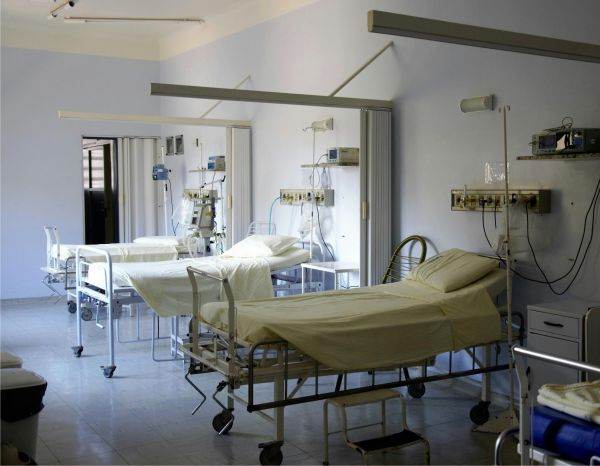
Interim Minister of Health, Cseke Attila, announced the launch of a new reform package that will change the way hospitals in Romania are financed and organized. According to the Ministry of Health, the measures represent one of the most important reforms of the healthcare system in recent years and aim to direct financing towards the patient and the actual medical act. The legislative package includes three ministerial orders that will produce major changes in the functioning of the hospital system: changing the hospital financing mechanism, making the organization of medical structures more flexible, and distributing beds at county level based on the real needs of the population and the medical activity performed.
• Funding will no longer depend on the number of beds
The Ministry of Health and the National Health Insurance House will introduce a new financing model through which hospitals will receive funds depending on the medical services provided and the number of patients treated, without the number of existing beds being the main criterion. "We are moving from a rigid model, focused on the number of beds, to an efficient model, in which financing follows the medical service and the patient treated. We will no longer penalize high-performing hospitals for treating more patients. Performance must be supported, not sanctioned," said Minister Cseke Attila. According to the new rules, the mechanism by which hospitals that exceeded the contracted level of medical services were financially disadvantaged, despite having an intense activity and treating complex cases, will be eliminated.
• More flexibility for hospitals
The reform also provides for more flexibility in the organization of hospitals. Thus, the minimum threshold for establishing a hospital ward will decrease from 25 to 23 beds. The Ministry believes that the new bed allocation mechanism at county level will allow for a more balanced and efficient distribution of medical resources, depending on the specifics of each area and the real pressure on the healthcare system. According to the Ministry of Health, for patients the reform should mean: better access to medical services; hospitals encouraged to treat more patients; organization of medical services based on the real needs of communities. For doctors and medical staff, the authorities claim that the new measures will bring: recognition of performance and workload; support for hospitals that treat complex cases; more flexibility in organizing wards and departments.
• Almost all hospitals would receive higher funding
Data presented by CNAS show that, after applying the new calculation methodology, 98.19% of hospitals would benefit from better financial estimates in 2026 compared to the achievements in 2025. The largest increases are estimated for hospitals in the IM category, with an average of +15.06%, while hospitals in categories II and III would register average increases of approximately 10.7%. Units in categories IV and V will have more moderate increases. Authorities claim that the reform aims to increase the efficiency of the healthcare system and reduce the differences between overburdened and under-performing hospitals.






















 Euro
Euro Dolar SUA
 Franc elveţian
 Liră sterlină
 Gram de aur