English

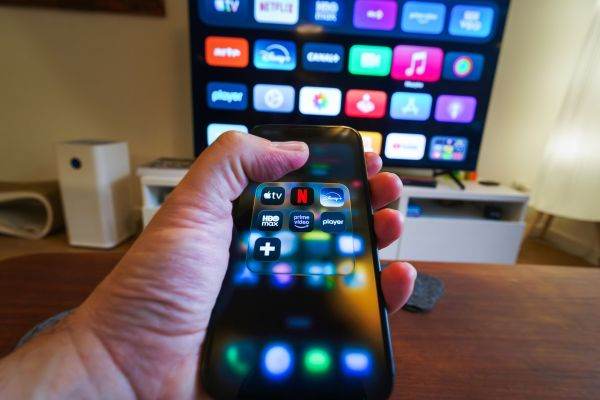
Disney is considering launching a free version of its Disney+ platform, in a move that could mark a new stage in the repositioning of the streaming services market. According to Business Insider, the company is considering introducing a free product, supported by advertising and with a limited content offer, in an attempt to attract new users and expand its audience base.
• A variant still under analysis
According to sources cited by Business Insider, the idea was presented during an internal meeting by Disney's head of product and technology. For now, the project is in the evaluation phase, and the company has not made a final decision on the launch of the service or the form it will take. There is no information at this time on the calendar of a possible launch.
• Free access, but with ads and limited content
If the project is approved, it is expected that the free version of Disney+ will include advertising and a reduced library of movies and series. Users may also have access to fewer features, such as lower image and sound quality or the inability to download content for offline viewing. Such an offer could function as a demo version, designed to convince users to later switch to paid subscriptions.
• A new strategy in an increasingly competitive market
Beyond attracting new subscribers, a free version would allow Disney to compete more directly in the segment of non-subscription video services, currently dominated by platforms such as YouTube. The initiative reflects the changes that the streaming industry is going through. After a period in which platforms have relied on increasing prices and introducing cheaper subscriptions, supported by advertising, the next step seems to be the expansion of free offers, used as a tool to grow the audience and diversify advertising revenues. In this context, a possible free version of Disney+ would represent a strategic repositioning of the company in a market where the growth rate of paid subscriptions is slowing down, and the competition for the time spent by users in front of the screens is becoming increasingly intense.
























 Euro
Euro Dolar SUA
 Franc elveţian
 Liră sterlină
 Gram de aur