English

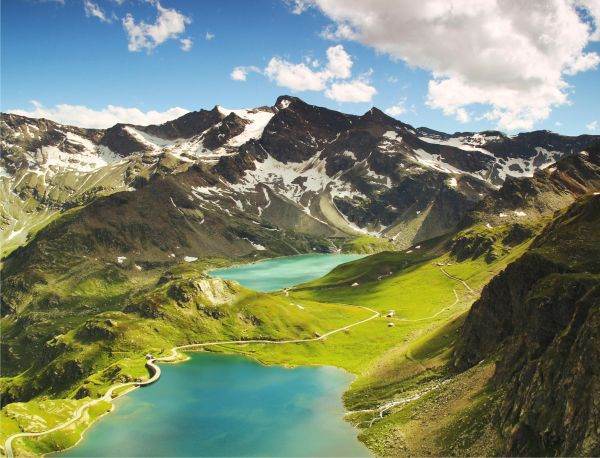
Ecosystems in Europe are already visibly reacting to climate warming, with the fastest transformations recorded in alpine areas, including the Carpathians, where changes can be up to five times more pronounced, according to a study published in the journal Nature. The research also includes the contribution of specialists from Babeş-Bolyai University in Cluj-Napoca. The study is based on monitoring over 6,000 vegetation areas in forests, meadows and alpine ecosystems in the Carpathians, the Alps and the Pyrenees. The data covers time periods ranging from 15 to 78 years, providing one of the widest perspectives on how European vegetation responds to climate change.
• "Thermophylization” - a generalized but uneven phenomenon
The results indicate a clear trend of "thermophilization” - an increase in the share of species adapted to higher temperatures. In forests and meadows, changes are moderate, manifested by the gradual emergence of new species; In alpine ecosystems, transformations are accelerated and much more complex; The pace of change in mountain areas is up to five times higher. These differences show the high vulnerability of alpine ecosystems to climate variations.
• Carpathians, early indicator of climate change
In the Carpathians, researchers have already observed: the decline of species adapted to low temperatures; changes in the structure of plant communities;
the emergence of ecological imbalances. These ecosystems function as an "early warning system” for the effects of climate change on a continental scale.
• Research in the Rodna Mountains: Risks of Irreversible Loss
Observations conducted in the Rodna Mountains, part of the European GLORIA network, provide relevant data on the evolution of alpine vegetation.
According to Professor Mihai Puşcaş, director of the "Alexandru Borza” Botanical Garden, the changes can have serious consequences: "In mountain areas we are witnessing losses that can become irreversible, in a shorter time frame than we would have initially expected.” Researchers such as Pavel Dan Turtureanu and Tudor Ursu also contributed to the study. The acceleration of these transformations raises major issues regarding: biodiversity conservation; the stability of mountain ecosystems;
the adaptation of environmental policies to new climate realities. Alpine ecosystems, although fragile, play an essential role in climate regulation and in maintaining water resources.



















 Euro
Euro Dolar SUA
 Franc elveţian
 Liră sterlină
 Gram de aur