English

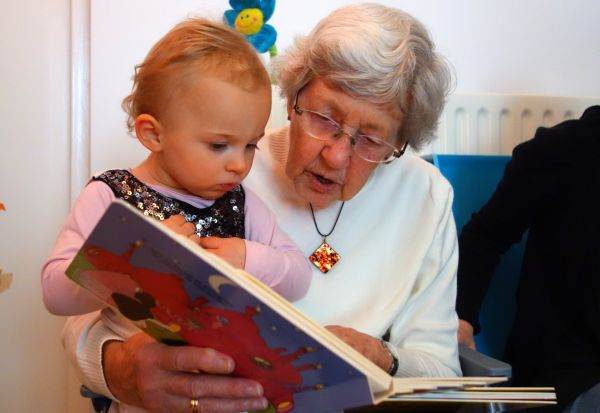
Nearly half of Romanian parents working abroad will not return home for Easter, according to a study conducted by Save the Children Romania, highlighting the scale of a social phenomenon with profound effects on children.
The data show that 45% of parents will not spend the Easter holidays with their children, while 38% say they will return to the country, although the decision is mainly influenced by high costs. On average, the parents included in the study have been away for about six years, a period that covers a significant part of the childhood of those left behind.
• Deepening fractures over time
The research highlights a worrying reality: the earlier parents leave after the birth of the child, the longer their absence and the greater the risk of weakening the parent-child relationship.
According to the data, 24% of parents say their relationship with their child has significantly cooled, while 59% indicate the lack of time spent together as the main problem.
To support parents in maintaining emotional bonds with their children, Save the Children will continue its awareness campaign on the importance of communication and quality time spent together, starting during the Easter holiday period. Parents and caregivers will be guided toward specific bonding activities, either remotely or in person, inspired by the campaign materials. In addition, more than 40 partner schools will encourage such activities, helping to strengthen the relationship between children and parents even while they are working abroad.
"One of the largest and most complex social phenomena in Romania in recent decades - children left in the care of relatives because their parents are forced to work in other countries - is becoming increasingly dramatic as physical distance leaves deeper psycho-emotional marks. Especially during holidays and vacation periods, children acutely feel the absence of the parent who has left. That is why maintaining communication and being present in the child's life is essential, even when distance does not allow for physical presence,” said Gabriela Alexandrescu, Executive President of Save the Children Romania.
• Children caught between longing, anxiety and isolation
Parents report clear emotional changes: 49% of children become withdrawn, 46% are more fearful, 43% show indifference, and 21% become aggressive. In nearly one in five cases, these conditions occur simultaneously. Despite these warning signs, only 9% of children have benefited from psychological counseling.
Regarding who takes care of the children, significant differences emerge between mothers and fathers: 72% of fathers leave their children in the care of the mother, while 62% of mothers leave them in the care of grandparents. Women turn to other relatives twice as often as men. Additionally, 13% of fathers and 24% of mothers are the sole providers for their families.
Another alarming finding is that 59% of parents are not in direct contact with their child's school. Involvement is higher among mothers (65%) than fathers (22%). The frequency of communication increases with the child's age, but remains insufficient.
Economic migration continues to provide financial support for many families, but the emotional cost borne by children is significant. In the absence of more extensive support mechanisms, there is a risk that these ruptures may become permanent, affecting the long-term emotional and social development of an entire generation.






















 Euro
Euro Dolar SUA
 Franc elveţian
 Liră sterlină
 Gram de aur