English

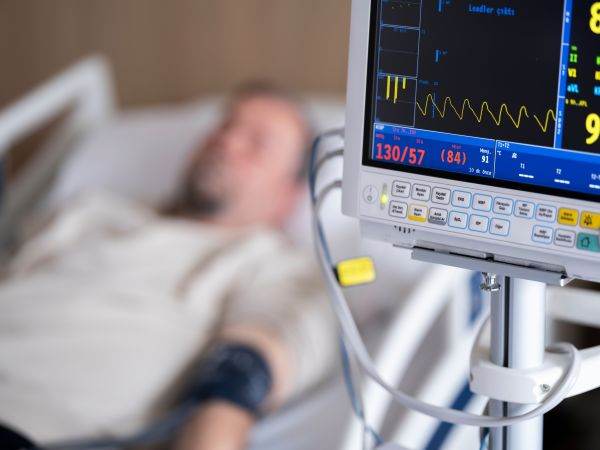
The Romanian medical system continues to function with a "hiatus" between emergency medicine and the rest of the healthcare structure, said the rector of the "George Emil Palade" University of Medicine, Pharmacy, Sciences and Technology in Târgu Mureş, Leonard Azamfirei, at the National Congress of Emergency Medicine and Disaster Medicine (CongrEMs 2026). He stressed, at the same time, that technological developments and social pressure will force the system to reconfigure itself at an accelerated pace. According to the rector of UMFST Târgu Mureş, the emergency system is an indicator of the maturity of a medical system, but in Romania a functional rupture persists between this area and the rest of the healthcare services. "There is probably a gap in Romania between the emergency system and the rest of the system, and this gap, with reserved optimism, we must hope will close,” said Leonard Azamfirei at the congress. He emphasized that demographic changes and the increasing complexity of medical pathologies are putting additional pressure on the entire healthcare system, given that society's expectations are constantly increasing.
• The pressure of artificial intelligence and the change in the medical model
In his speech, according to statements made at CongrEMs 2026, the UMFST rector drew attention to the fact that emergency medicine is at the forefront of technological transformation, especially with the integration of artificial intelligence and data analysis in medical practice. "Artificial intelligence has come upon us, algorithms are coming, data is coming and, above all, the integration of all of these is coming, which will fundamentally change medicine,” said Azamfirei. He showed that, although traditional medical training has emphasized direct clinical assessment, new generations of doctors will work in an ecosystem in which clinical decision-making will be increasingly technologically assisted, without eliminating direct contact with the patient in emergency medicine.
• Solidarity, the "essential challenge" of the system
Another essential dimension of the UMFST rector's speech concerned the internal cohesion of the medical system, especially in the emergency area. "In a country that does not cease to intermittently give us signs of autolysis, the idea of solidarity must be more consistent than ever," Azamfirei argued. He suggested that discipline, collaboration and professional solidarity are structural elements without which emergency medicine cannot maintain its operational efficiency.
The UMFST rector also recalled the historical role of Târgu Mureş in the development of the emergency system in Romania, claiming that both the intervention infrastructure and the academic training in the field had an important starting point here.
He emphasized that the university was the first in Romania to develop a discipline dedicated to emergency medicine, integrating anesthesia and intensive care specialists in the training process.
• Emergency medicine "becomes stronger" after the pandemic
For his part, the president of the congress organizing committee and head of UPU-SMURD Târgu Mureş, Dr. Cristian Boeriu, stated that emergency medicine emerged strengthened from the COVID-19 pandemic. "The fact that we are here today, together in this room, is a statement in itself: emergency medicine is not only enduring, but also becoming stronger,” said Boeriu, according to his intervention at CongrEMs 2026. He specified that the current edition of the congress, the third in number, is the first organized after the pandemic, and the COVID-19 experience has tested the responsiveness and resilience of medical systems. According to Cristian Boeriu, CongrEMs was initially conceived as an academic platform for collaboration between students, doctors and researchers, with the aim of creating a common framework for training and exchange of experience in emergency medicine. He emphasized that the "George Emil Palade” University of Medicine, Pharmacy, Sciences and Technology played an essential role in strengthening the event, providing it with institutional support and academic credibility.
The head of UPU-SMURD Târgu Mureş also emphasized the deeply collaborative nature of the specialty, stating that emergency medicine cannot function individually, but exclusively in a multidisciplinary team.












 Euro
Euro Dolar SUA
 Franc elveţian
 Liră sterlină
 Gram de aur