 English

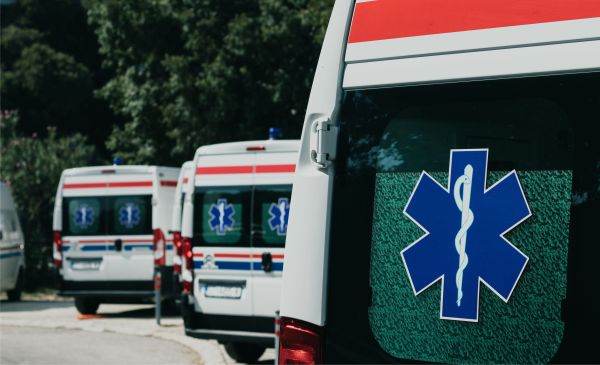
The heat wave affecting Romania is putting enormous pressure on emergency medical services. In the two days off at the end of the week, the Bucharest-Ilfov Ambulance Service recorded almost 5,000 calls, and hundreds of people needed the intervention of the crews after being hurt in public spaces, most cases being associated with extreme temperatures.
The general manager of SABIF, Alis Grasu, stated that in the last 84 hours 4,992 calls were recorded, of which 3,238 were Code Yellow and Code Red emergencies. In the same period: 431 people needed an ambulance in public places; 36 people suffered from lipothymia (a feeling of loss of consciousness);
50 people temporarily lost consciousness, presenting syncope. According to the SABIF management, most of these interventions can be attributed to the heat wave.
• Ambulance operating at maximum capacity
In the context of the Red Code heat wave warnings, the ambulance service mobilized all available resources. "We are working with the full intervention capacity. We have tried to bring personnel on call to replace colleagues on vacation or sick leave. We are having a hard time maintaining this capacity, because we have numerous vacancies that cannot be put out to competition and which are multiplying through retirements or departures," explained Alis Grasu. She emphasized that all requests are taken, but interventions are prioritized depending on the severity of the cases. "We prioritize emergencies as correctly as possible, so that patients in Code Red, with immediate life-threatening conditions, benefit from intervention as quickly as possible. No citizen was left without a response from us if they requested an ambulance," the SABIF manager stated.
• Ministry of Health requests activation of special plans
In the context of extreme temperatures, the Ministry of Health requested activation of measures plans to limit the effects of the heat wave on the population. The institution requests: additional ambulance crews in areas where the number of requests is increasing; verification of hospital capacity and drug stocks for conditions aggravated by high temperatures; ensuring the necessary human resources in health units.
• Authorities' recommendations
The Ministry of Health recommends that the population avoid prolonged exposure to the sun, hydrate properly and limit physical activities carried out outdoors during peak hours. The elderly, young children and the chronically ill are considered the most vulnerable during this period and are advised to avoid travel during periods of maximum thermal discomfort.




















 Euro
Euro Dolar SUA
 Franc elveţian
 Liră sterlină
 Gram de aur





























