 English

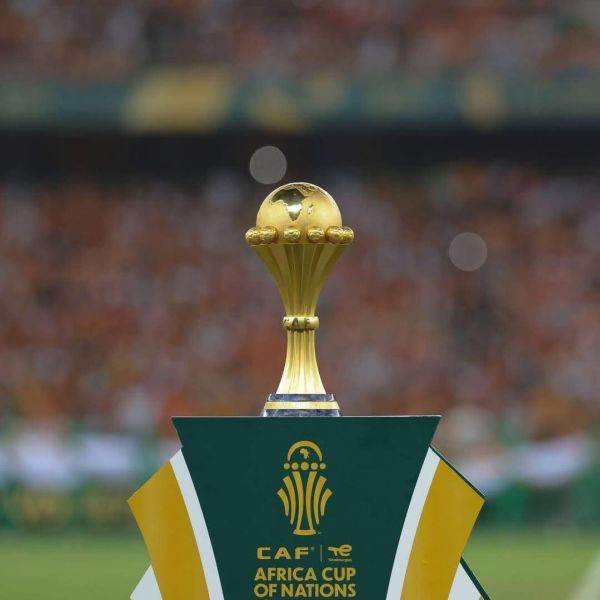
The European Union has indirectly found itself in the spotlight at the Africa Cup of Nations final between Morocco and Senegal after the EU flag appeared on the pitchside billboards, alongside the Global Gateway logo. According to ftm.eu (Follow the money), the unexpected visibility of European symbols at a major African sporting event has raised questions about how European public money is spent outside the Union. To promote its Global Gateway initiative - a strategic programme through which the EU invests tens of billions of euros annually in infrastructure and development worldwide - Brussels has allocated around 5.5 million euros to the Confederation of African Football (CAF), as the main sponsor of the competition. The decision was justified by European officials on the need to make the partnership between Europe and Africa "more visible and relevant, especially for young people".
• Direct sponsorship to an organization with a history of corruption
The major problem raised by critics (including the aforementioned source, Follow the money) is that European funds were transferred directly to CAF, an organization that has been plagued by multiple corruption scandals and allegations of mismanagement in recent years. In 2019, FIFA sanctioned former CAF president Ahmad Ahmad with a five-year ban and a fine of almost 200,000 euros for embezzlement, abuse of power and granting unauthorized benefits. The sanction was later reduced on appeal to a two-year ban and a fine of 45,000 euros, but the case left a serious stain on the credibility of the African federation.
• Current leadership, under suspicion
The current CAF leadership has not been immune to controversy either. Secretary-General Veron Mosengo-Omba has been accused in the press of favouring unqualified people for positions and of cultivating a toxic organisational climate in which employees were afraid to speak out. In Switzerland, Mosengo-Omba has previously been the subject of suspicions of fraud after it was found that the bonuses he received from CAF exceeded the contractual ceiling by five times. However, Swiss authorities decided that there was not enough evidence to open criminal proceedings. The official claimed that all payments were made "in full transparency” and in accordance with CAF's internal regulations.
• Criticisms over the use of European public money
Despite the explanations provided by the European Commission, critics warn that the EU's association with a federation marred by scandals risks undermining the message of good governance and transparency that Brussels promotes internationally.
Steff Ndei, a Kenyan analyst specialising in sports governance in Africa, said: "European taxpayers should be seriously concerned about how this money is being spent.” According to her, CAF is "not only corrupt but also inefficient”, but has managed to "create the illusion that African football is in a very good state”. The case raises wider questions about the criteria on which the European Union selects its partners outside the EU and about the balance between image objectives, geopolitical interests and respect for the principles of good governance. For Brussels, football is an effective channel of communication with young audiences in Africa. For critics, however, the association with a controversial institution risks turning into a boomerang.














 Euro
Euro Dolar SUA
 Franc elveţian
 Liră sterlină
 Gram de aur





























