English

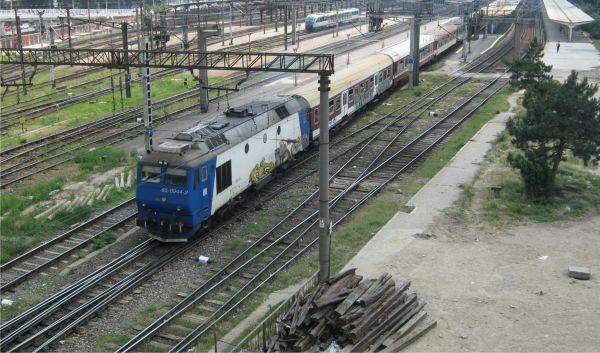
The Ministry of Transport's budget for 2026 is expected to be drastically reduced compared to last year, by an amount ranging between approximately one billion and 5.6 billion lei, according to an article published by the Club Feroviar website, a prospect that opens one of the most sensitive files of the year for Romania's infrastructure. The estimated reduction comes at a time when the transport system, especially the railway system, is already under pressure from increased costs, European projects that must be completed within strict deadlines and a chronic need for investment that the budgets of previous years have barely managed to cover.
Data circulated in the media at the end of last week, after the draft state budget was presented by the Ministry of Finance to the members of the governing coalition, indicate that the ministry's budget could drop to approximately 37.4 billion lei, compared to approximately 43.2 billion lei in the preliminary execution last year. Even the most optimistic scenario, a decrease of approximately one billion lei, would mean a slowdown in the pace of investments in a sector that depends decisively on public funding. In the pessimistic scenario, the difference of over 5 billion lei could have knock-on effects on essential projects, from the modernization of the railway infrastructure to urban investments and subsidies for passenger transport.
The paradox is all the more obvious as the general state budget is expected to increase significantly in terms of budget credits, reaching approximately 491 billion lei, compared to the execution of approximately 454.9 billion lei in 2025. While total state spending increases by almost 38 billion lei, transport infrastructure risks receiving fewer resources, at a time when the modernization of road and railway networks should represent one of the main strategic priorities of the economy. The real impact of this decrease becomes even more severe if viewed through the lens of inflation. The values discussed between the members of the governing coalition are nominal, and if we take into account the devaluation of the currency and the inflation accumulated in 2025, estimated at almost 9.7%, the reduction in real financing power becomes much more pronounced. In practical terms, each lei allocated to transport will buy fewer works, fewer materials and fewer services than in the previous year.
According to the cited source, the first area to feel the budgetary pressure is passenger rail transport, where the economic model depends heavily on state-granted compensation. A study by the Competition Council shows that approximately 60% of operators' revenues come from these compensations, which turns any budget reduction into a potential conflict between operators and authorities. In recent years, compensations granted to the state-granted operator CFR Călători have reached approximately two billion lei annually, hundreds of millions above the level initially provided for in the budget, and these increases have already generated tensions between the leadership of the Railway Reform Authority and the management of the railway company.
If the budget contracts, these compensations could become the main field of negotiation, and the pressure will not come only from the state-granted operator. Private carriers have been complaining for years about differential treatment and claim that the distribution of subsidies distorts competition. A reduction in the available funds risks amplifying these disputes and turning technical discussions into an open conflict between the industry and the authorities.
The consequences could also be felt quickly by travelers. Students, who benefit from free or substantial discounts on rail transport, could find that these facilities are limited or restricted. At the same time, unions warn that a budget squeeze could affect wages, bonuses and other rights negotiated in the railway sector, which could amplify tensions in a field already marked by a shortage of qualified personnel.
Beyond passenger transport, the biggest stake remains infrastructure. Romania is currently carrying out railway projects worth billions of euros, financed largely from European funds. However, these projects cannot exist without the financial contribution of the Romanian state, which must cover expropriations, VAT, archaeological relief and other costs without which European funding cannot be accessed. Without these contributions, the flow of money from Brussels stops, and the projects come to a standstill.
The risk is even greater as 2026 represents a critical moment for the implementation of projects financed by the National Recovery and Resilience Plan. The modernization and electrification of the Cluj-Napoca - Oradea - Episcopia Bihor line is just one of the projects that depend on stable financing and a constant pace of work. Any delays generated by the lack of co-financing could lead to the loss of significant amounts of European funds, which would mean not only an administrative failure, but also a direct blow to the modernization of the railway infrastructure.
However, the problems do not stop at the national railway network. The cited source states that the Bucharest metro system has been facing a chronic investment deficit for years. Stations awaiting major repairs, ceilings supported by temporary structures to avoid the risk of collapse, frequent infiltrations and a fragmented tolling system are just some of the symptoms of an infrastructure that urgently requires modernization. In the absence of the necessary financial resources, these problems risk becoming permanent, transforming technical malfunctions into structural vulnerabilities.
If the estimates and first data, published by political sources within the governing coalition, regarding the state budget are confirmed, the year 2026 could become a turning point for Romania's infrastructure.






















 Euro
Euro Dolar SUA
 Franc elveţian
 Liră sterlină
 Gram de aur