English


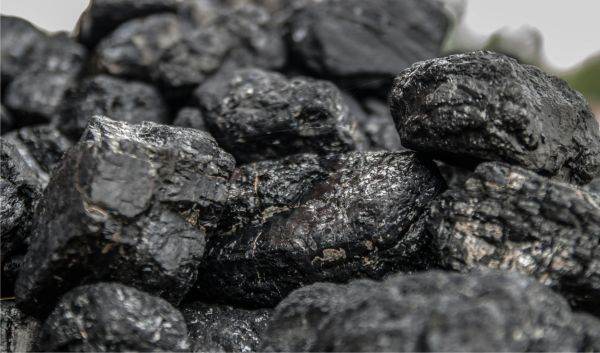
Global coal demand hit a record high in 2025 but is expected to decline by 2030 as renewables, nuclear and abundant natural gas erode its dominance in power generation, the International Energy Agency (IEA) said, as quoted by Reuters.
Reducing coal use worldwide is seen as vital to meeting global climate goals, but the fossil fuel remains the main source for electricity generation.
According to the IEA's "Coal 2025” report, coal demand is set to grow by 0.5% in 2025, reaching a record 8.85 billion tonnes.
"Looking ahead, we see global coal demand stagnating and will start a very slow and gradual decline by the end of the decade,” Keisuke Sadamori, the IEA's director for energy markets and security, told a news conference yesterday.
The forecast is little different from last year's outlook, despite seeing different trends in 2025. Coal consumption in India fell for only the third time in five decades, due to an early and intense monsoon season that reduced electricity demand and boosted hydroelectric power generation. India is a regular contributor to global demand, and the country is likely to see an increase in coal consumption in the coming years, the source said.
• Increased consumption in the US
In the United States, consumption has increased on the back of rising gas prices and after President Donald Trump signed an executive order this year to save coal-fired plants that were due to be decommissioned and to boost coal production.
In the European Union, coal demand fell less in 2025 than in 2023 and 2024, as lower wind and hydroelectric production in the first half of this year led to greater reliance on coal-fired electricity.
Demand in China, the world's largest coal consumer, has largely stagnated this year and is expected to decline slightly through 2030 as renewable energy capacity increases. However, faster growth in electricity demand or slower integration of renewable energy in China could push global demand above forecasts, the IEA report authors note.
"China, which consumes 30% more coal than the rest of the world combined, is the main driver of global coal trends,” Sadamori concluded.





















 Euro
Euro Dolar SUA
 Franc elveţian
 Liră sterlină
 Gram de aur